Hello neighbors! If you’ve just arrived in Spain, you might be shocked every time you walk into the ham section at the supermarket—rows upon rows of whole legs hanging, prices ranging from tens to hundreds of euros, and no clue where to start. What’s this Jamón Ibérico? And that Jamón Serrano? They all look quite similar, but the price difference is huge! After some research and paying my dues, today I want to share my insights to help fellow newcomers who are equally confused.
Jamón Ibérico vs. Jamón Serrano: They’re Fundamentally Different!
First, it’s important to understand that the key difference between these two types of ham lies in the pig breed. Simply put:
- Jamón Serrano: This is the most common ham, made from regular white pigs. It’s produced in large quantities, affordable, and a staple in Spanish households. The flavor is straightforward, primarily salty and savory.
- Jamón Ibérico: Made from Spain’s national treasure, the Iberian black hoof pig. This breed has a prestigious lineage and low supply. The fat infiltrates the muscle, creating beautiful marbling, and the taste and flavor layers are much richer—hence the higher price. This is what we often call “Spain’s top-quality ham.”
Understanding the Four-Color Label System of Iberian Ham
Once you grasp the pig breed difference, there’s even more to know about Iberian ham. To help consumers distinguish clearly, official plastic tags of four colors are used to grade the ham. Knowing how to read these is essential!
| Color Tag | Pig Purity & Rearing Method | Common English Term |
|---|
| Black | 100% pure Iberian pig, free-range in oak forests | Acorn-fed ham |
| Red | 50% or 75% Iberian pig, free-range in oak forests | Acorn-fed ham |
| Green | 50%/75%/100% Iberian pig, mixed outdoor feed | Pasture ham |
| White | 50%/75%/100% Iberian pig, farm feed | Grain-fed ham |
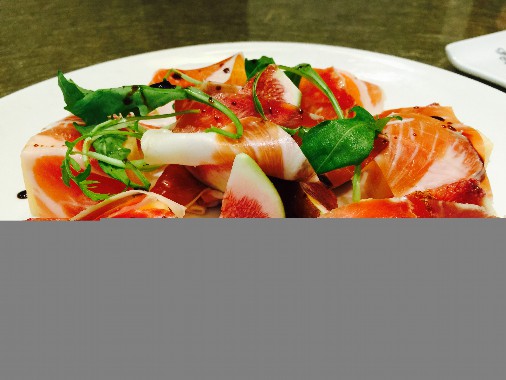
Tips for Buying and Tasting
For those just starting with Spanish ham culinary pairings, my recommendation is to begin with pre-sliced vacuum-packed portions from the supermarket, like 100g packs. They’re convenient and less risky to try. Buying a whole leg as a beginner is quite challenging—cutting and storing require some know-how. The key to good Iberian ham is the fat! Fat that is evenly distributed with marbling melts in your mouth and represents the essence of its flavor. So for Spanish ham food recommendations, never throw away the fatty parts! The classic way to enjoy is simply tasting it as is, paired with a glass of red wine or sherry; it also goes perfectly with French baguette or melon.
Serrano is great for everyday cooking or sandwiches, offering excellent value. Ibérico, especially those with black and red tags, is best savored slowly as Spanish gourmet cured ham Tapas, appreciating its unique acorn aroma and silky texture. How do you usually choose? Do you have any favorite brands or ways of eating? Feel free to share in the comments!
