When I first arrived in Spain, my knowledge of ham was basically zero; I thought all those hams hanging in supermarkets looked pretty much the same, and probably tasted similar too. Until one time, at a Spanish gourmet friend’s house, he seriously sliced a few wafer-thin, glossy pieces of ham, and I tasted for the first time the legendary “national treasure” — the Acorn-fed Iberian Ham. That melt-in-the-mouth texture, with its complex aroma interlacing nuts and fat, instantly overturned all my previous imaginations about ham; it was a true feast for the taste buds!
Since then, I fell into this “ham pit” and started researching what makes it so exceptional. Actually, the delicious secret of acorn-fed ham mainly comes from two key points: the pig breed and its diet. Top-grade acorn-fed ham must be from purebred “Iberian Black Hoof” pigs. These pigs are not confined but freely roam in expansive oak forests. Every autumn when acorns mature, they enter a fattening mode, eating a large amount of acorns daily. Acorns are rich in oleic acid, which makes the pig fat composition similar to olive oil — healthy and delicious, creating beautifully marbled fat.
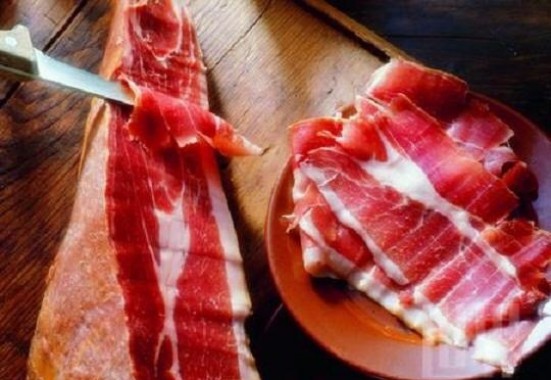
How to Identify and Choose Iberian Ham?
For ordinary consumers buying 5j acorn-fed Spanish ham, the most straightforward identification method is by the color of the plastic label hanging on the ham leg. This is the Spanish acorn-fed ham grading standard mandated officially by the Spanish government, clear and fair to all!
| Label Color | Breed Purity | Feeding Method | Official Spanish Name |
|---|
| Black | 100% Iberian pig | Acorn-fed | 100% Ibérico de Bellota |
| Red | 50% or 75% Iberian pig | Acorn-fed | Ibérico de Bellota |
| Green | 50%/75%/100% Iberian pig | Free-range pasture + grain feed | de Cebo de Campo Ibérico |
| White | 50%/75%/100% Iberian pig | Grain feed | de Cebo Ibérico |
Simply put, for the ultimate flavor go for the “black label”, which is the highest grade and also the rarest. The red label is a cost-effective choice with excellent flavor as well. Green and white labels are entry-level, more affordable, and good for everyday eating.
Finally, a tasting tip: good ham must be sliced fresh and eaten immediately, and the Spanish acorn-fed ham is expensive so it’s best served at room temperature. The fat on freshly sliced ham slightly melts at room temperature, shining with an inviting luster, which is when the aroma is strongest. Paired with a glass of Tempranillo red wine, or simply with some bread slices, that’s the most authentic and enjoyable Spanish flavor. Do you know any other cool facts about ham or have recommended brands? Feel free to join the discussion below!
