When I first arrived in Spain, every time I passed by markets or ham shops, I was always stunned by the rows of hams hanging. They all looked similar, but the prices varied greatly. Especially the legendary best-tasting acorn-fed ham, what makes it so special, and how can ordinary people tell the difference? Today, from a food lover’s perspective, I want to dive deep into this topic by chatting about 5j Acorn-Fed Spanish Ham.
What Exactly Is Acorn-Fed Iberian Ham?
First of all, it’s important to clarify that not all Spanish ham is called Iberian ham. Iberian ham specifically refers to ham made from Iberian black-hoofed pigs. Our focus today—the acorn-fed Iberian ham—is the top-tier product. It requires the pigs to roam freely in Dehesa oak pastures for the last few months of their life and to feed entirely on fallen acorns and pasture grasses. This unique feeding method gives the ham an unparalleled nutty aroma and flavor.
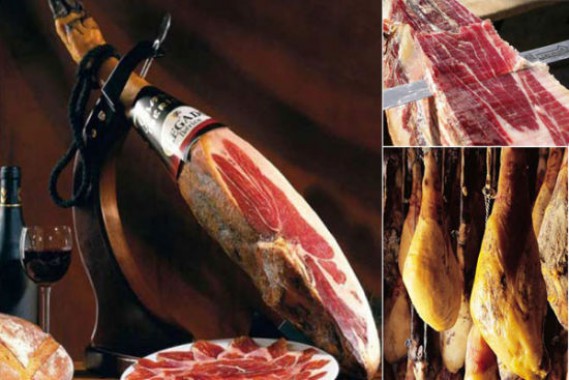
Recognizing the Color Labels Will Never Fail You
So here comes the question about Spanish Acorn-Fed Ham Classification Standards: how do we know it’s truly “acorn-fed” when buying it? To regulate the market, the Spanish government mandates all Iberian hams carry a colored plastic label, with each color indicating a different grade. Remember this table, and you basically won’t get scammed:
| Color Label | Grade Name | Explanation |
|---|
| Black | 100% Ibérico de Bellota | Highest grade! 100% purebred Iberian pigs, acorn-fed. |
| Red | Ibérico de Bellota | Crossbred Iberian pigs, acorn-fed. |
| Green | Cebo de Campo Ibérico | Crossbred Iberian pigs, pasture-raised, fed on fodder and pasture grasses. |
| White | Cebo Ibérico | Crossbred Iberian pigs, confined, fed only on fodder. |
Therefore, Spanish acorn-fed ham is expensive, and next time you buy ham, don’t just rely on the store owner’s description; directly check what color the little label hanging on the leg is! Only black and red labels indicate authentic acorn-fed ham. Many people mistakenly think that all black-hoofed pigs produce the best ham, but this is a misconception. Not all black-hoofed pigs make good ham; the key is bloodline purity and feeding methods.
For beginners, my advice is not to buy a whole leg lightly—not only is it expensive, but it’s also hard to carve well. You can first go to a specialty ham shop or a supermarket ham counter to buy a small packet of hand-sliced ham, like 100g with a black label to try. The way the fat melts in your mouth will definitely give you a brand-new appreciation for ham! I’m curious where everyone usually buys ham and if you have any reliable brands to recommend? Feel free to leave comments below for discussion!
