If you’ve just arrived in Spain, are you, like me, overwhelmed by the dazzling variety of hams in the supermarket? The local passion for ham is truly ingrained in their culture. Today, let’s talk about the “ceiling” of Spanish hams — Jamón Ibérico de Bellota, commonly known as acorn-fed ham, to help you get a clear understanding and avoid mistakes on your next ham purchase.
What exactly is top-tier acorn-fed ham?
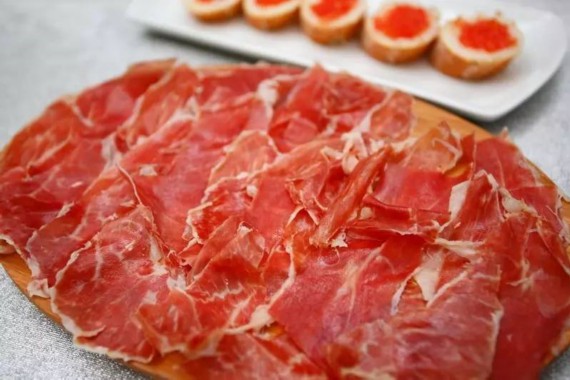
First of all, not all Spanish ham is called Iberian ham. This term specifically refers to ham made from the Iberian black-hoof pigs of Spain. Acorn-fed ham is the premium category within Iberian ham. These pigs spend their last few months free-ranging in oak forests, feeding mainly on acorns. This unique rearing method gives the ham its marbled fat texture and an unparalleled nutty aroma that melts in your mouth and leaves a lingering aftertaste.
To protect consumers, the Spanish government strictly classifies Iberian ham by grades, distinguished by different colors of plastic tags attached to the pig’s hoof, making it easy to identify at a glance. This is essential knowledge!
| Tag Color | Spanish Name | Breed and Rearing Method | Taste Characteristics |
|---|
| Black | 100% Ibérico de Bellota | 100% purebred Iberian pigs, free-range in oak forests | Top quality, richest aroma, abundant marbling |
| Red | Ibérico de Bellota | 50% or 75% Iberian crossbreeds, free-range in oak forests | Excellent quality, great value |
| Green | Cebo de Campo Ibérico | Iberian pigs, free-range in the countryside, fed grains and grass | Good texture, chewy, more affordable |
| White | Cebo Ibérico | Iberian pigs, farmed in enclosures, fed grain feed | Entry-level, lighter fat aroma |
Therefore, Spanish acorn-fed ham is expensive, and if you want the ultimate experience, look for the black tag! For everyday consumption, red and green tags also offer great options.
The correct way to enjoy acorn-fed ham
Good ham is best enjoyed in a simple way. The key is two points: cut it into thin slices and eat it at room temperature. Ham straight from the fridge has solidified fat, which suppresses its aroma and greatly reduces taste quality. It’s best to take it out half an hour in advance to let it “warm up.” When you see the fat become oily and translucent, that’s the optimal tasting moment. Pair it with a slice of toasted bread and a glass of red wine for the most authentic Spanish flavor.
The world of Iberian ham is vast and complex, with many details from production regions to aging years. But once you master the color label system mentioned above, you can generally pick a satisfactory ham. I hope this little guide helps! Feel free to leave comments below sharing your insights and brand recommendations!
