Friends new to Spain are probably very curious and fascinated by the national treasure, Jamón. However, you might have come across some posts online warning that eating raw ham carries a risk of parasite infection, especially mentioning a parasite called “Trichinella,” which causes unnecessary worry. Every time you slice the ham and see those tiny white specks on it, do you wonder: Could those be parasite eggs? As a longtime foodie living here, today I want to talk about this topic to help you enjoy your ham with peace of mind and clear understanding.
It all starts at the source—the pig. Spanish ham, especially the premium Iberian ham, has extremely strict requirements for the pig breed, breeding methods, and health conditions. These pigs are not raised in the dirty pens you might imagine. High-quality Iberian black pigs spend most of their time free-ranging in vast oak forests, eating acorns and drinking mountain spring water, with plenty of exercise – you could call them the “fitness enthusiasts” among pigs. The entire breeding process is closely monitored by veterinarians, and any pig with health issues is immediately isolated and removed, eliminating any chance of entering the ham production process. So, parasite presence in the pigs themselves is basically ruled out from the start.
Next is the key production process. The making of Spanish ham itself is a long and rigorous sterilization procedure. Fresh pig legs are first heavily salted—the high concentration of salt creates an environment that dehydrates and kills most bacteria and parasites. Following this, the ham undergoes months or even years of air-drying and curing. During this stage, moisture gradually evaporates, the meat undergoes fascinating chemical transformations, and flavorful compounds accumulate. For parasites in Spanish ham parasites and their eggs, this extremely dry and constantly changing environment is deadly. EU food safety regulations clearly specify minimum curing and drying times, which are sufficient to kill Trichinella and other potential parasites.
So what exactly are those little white spots everyone worries about? Rest assured, they are definitely not parasite eggs! Those white specks are tyrosine crystals. Put simply, they are amino acid crystals formed when proteins break down during the long curing process. Their appearance actually indicates the ham has undergone thorough and high-quality aging, serving as a symbol of premium quality! So next time you see these white dots, you should feel happy—they prove you purchased a high-quality product!
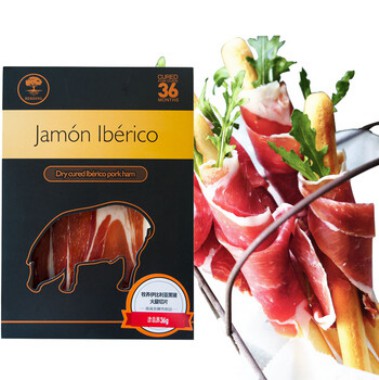
To sum up, is it safe or not?
As long as you purchase Spanish ham from official sources, such as large supermarkets like Mercadona, Carrefour, or El Corte Inglés, or reputable ham specialty stores, then Spanish ham without parasites is absolutely safe to eat. These products undergo strict quality inspections and controls. We summarize the safety assurances with the table below:
| Safety Aspect | Specific Measures |
|---|
| Pig Source Control | Strict veterinary inspections to ensure pigs are healthy and disease-free. |
| High-Salt Curing | Using high salt concentration environments to kill parasites and microbes. |
| Long-Term Air-Drying | Extended dehydration and aging process thoroughly destroys parasite habitats. |
| EU Regulations | Monitored under the world’s strictest food safety standards throughout the entire process. |
So don’t be scared by alarmist rumors anymore. Feel free to enjoy this delicious delicacy! Of course, the premise is not to buy any products from unknown sources without proper packaging and labels. I hope this article helps everyone eat happily in Spain!
