For newcomers to Spain, every time you go to a supermarket or restaurant and see those shiny, deep red cured hams, you might silently wonder: is it really safe to eat this raw? Could there be parasites? Don’t worry, I had the same concerns at first and did quite some research. Today, let me be your “class representative” and talk about this!
Actually, you can completely put your mind at ease. Authentic Spanish ham, whether Serrano or Ibérico, is very safe. Its safety mainly comes from two key traditional processing steps: high salt curing and long drying and aging. At the initial stage, the whole pig leg is thoroughly covered with sea salt to dehydrate it. This creates an extremely salty environment in which any parasite eggs or larvae cannot survive.
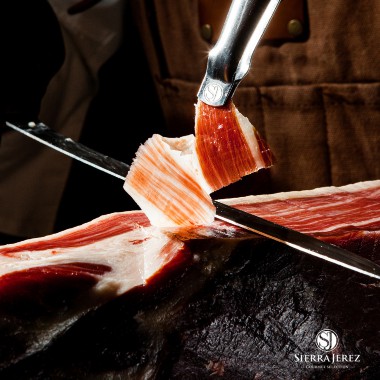
Salt curing is just the first step. More importantly, the ham undergoes a long natural drying and aging process by hanging in specialized cellars where temperature and humidity are controlled for months or even years. During this period, moisture inside the ham continues to reduce, while muscle, fat, and proteins slowly break down and ferment under microbial and enzymatic action, forming its unique aroma and flavor. This long aging process is not only key to deliciousness but also a double guarantee of food safety, enough to completely eliminate any potential pathogens.
Different Hams, Different Aging Times Matter
Spain has strict legal regulations for ham production, especially regarding minimum aging times. The longer the time, the richer the flavor and the higher the safety level. Let’s look at a simple table from Spanish ham parasites showing the legally required minimum aging times for different grades of ham:
| Ham Type | Legal Minimum Aging Time |
|---|
| Jamón Serrano | Usually 9-15 months |
| Jamón Ibérico Cebo | At least 24 months |
| Jamón Ibérico Bellota | At least 36 months |
Therefore, regarding parasites in Spanish ham, as long as you buy Spanish ham with legitimate labels from authorized supermarkets or stores, there is absolutely no need to worry about parasites. This craft with a millennium-old tradition maintains safety standards far stricter than we might imagine. Of course, this refers to products from reputable producers; homemade meat products are another matter in terms of safety. Which type of Jamón do you usually enjoy? Feel free to leave your thoughts below! ¡A comer sin miedo!
