Hello everyone, I was really startled recently. On a weekend, happily slicing some Jamón Ibérico at home, a friend suddenly sent me a link saying that Spanish ham contains parasites, especially those dense small white dots on the leg meat—they are parasite eggs! Looking at the ham in my hands, I instantly lost my appetite… I believe many ham lovers have heard similar claims, right? So is it just scare tactics or is there some truth?
Are the White Dots Parasite Eggs? Absolutely Not!
I immediately searched online and also asked local friends who sell ham. The conclusion is: everyone can relax! Those small white dots are definitely not parasite eggs , but crystals of an amino acid called tyrosine. They form during the long curing and dehydration process of the ham when proteins break down. In fact, the presence of these white dots is a sign of a long and high-quality curing process, indicating that the ham is quite premium!
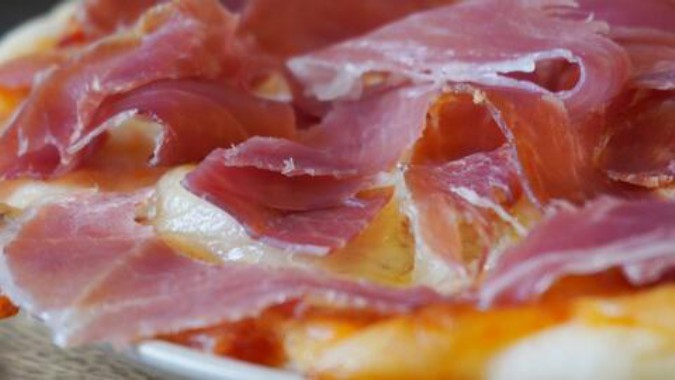
This does not mean all raw hams are 100% risk-free. Theoretically, raw pork can contain a parasite called Trichinella. However, for Spanish ham parasites produced through official channels, this risk is minimized to very low levels. Spain has very strict food safety regulations; all pigs used for ham production undergo thorough veterinary inspection at slaughter. Additionally, the months or even years of salt curing and drying create a high-salt, dry environment that makes it nearly impossible for most parasites and eggs to survive.
So how can ordinary consumers eat with peace of mind? It’s actually quite simple—just remember a few key points:
| Common Misconception | Scientific Fact |
|---|
| White dots are parasite eggs or defects | They are a sign of premium curing |
| Cheaper is always better | Quality and safety can’t be guaranteed, and the source of Spanish ham without parasites may be unknown |
| All hams are the same | Huge quality differences exist due to origin, pig breed, and certification |
To sum up: always buy from reputable and trustworthy stores or brands! Don’t be tempted by cheap hams of unknown origin. Make sure to check for complete labels and certifications, especially the colorful seals on Iberian ham.
Next time you see small white dots on ham, don’t scare yourself—they are proof of something good! As long as we purchase quality-guaranteed Spanish ham through official channels, we can enjoy this delicacy with confidence. Have you ever had similar concerns? Or do you have any unique tips for selecting ham? Let’s chat!
