Libia Spanish Ham: A Delicious Highlight in Spanish Life
For friends living or traveling in Spain, ham is undoubtedly a common presence on the dining table. Recently, I discovered a product called “Libia Spanish Ham” at a local supermarket, which piqued my great interest. After personally tasting it and researching, today I want to share with you about this ham, as well as the experience and selection advice of Spanish Libia ham production in everyday Spanish life.
The History of Libia Spanish Ham
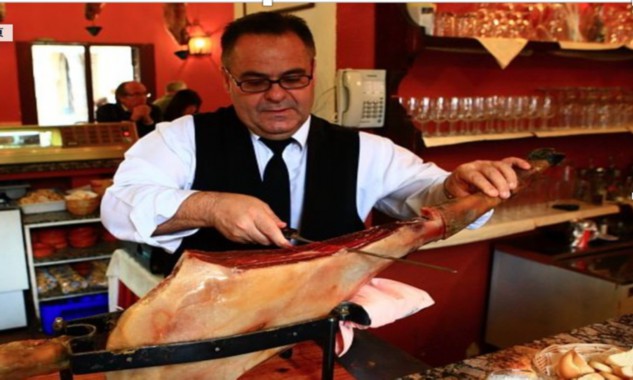
First, a misconception: “Libia Spanish Ham” is not produced in the African country Libya, but is a product name from Spain. Some users speculate that the name comes from a regional name in Spain or is a brand name. In any case, this ham inherits the traditional Iberian ham making methods but has been locally adapted in terms of raw materials and techniques. It uses locally raised white pigs, which undergo salting, air drying, and curing to develop a unique flavor and texture.
Characteristics and Tasting Experience of the Ham
Libia Spanish ham differs from traditional Iberian ham, with its main feature being a pronounced salty aroma, moderate fat content, and firmer meat texture. When sliced, it shows a reddish color and distinct grain, making it an excellent choice for casual drinks, snacks, or pairing with bread and cheese. Recently, I sampled it at a sommelier meet-up, where it paired perfectly with a glass of dry white wine or sherry. To facilitate comparison, I prepared a small table:
| Type | Key Characteristics |
|---|
| Libia Spanish Ham | Salty aroma, firm texture, moderate fat |
| Iberian Ham | Rich aroma, abundant fat, delicate texture |
| Serrano Ham | Milder saltiness, suited for cold eating, cost-effective |
Tips for Buying and Storage
When purchasing Libia Spanish ham, consider the following:
- Packaging: Vacuum packaging preserves freshness, while sliced products are convenient for short-term consumption.
- Color: Fresh ham displays a bright red color with creamy white fat.
- Price: This type of ham is generally priced below Iberian ham but above typical Serrano ham.
For storage, refrigerate and consume soon after opening. If preserving a whole ham leg, after slicing, lightly brush the surface with olive oil and cover it with cling film.
Libia Spanish ham is not only suitable for eating alone but can also be combined with classic Spanish ingredients like melon, tomato, and olive oil to make Tapas or sandwiches. My favorite way is to wrap it around large pieces of cantaloupe, offering a delightful blend of salty and sweet flavors! You can also try adding it to salads, pasta, or pizza to enhance flavor layers.
Conclusion
Living in Spain, understanding and trying different types of ham will surely broaden your palate. Whether you are new to ham or a gourmet, Libia Spanish ham is a new discovery for your dining table. Feel free to leave comments sharing your tasting experiences or cooking tips, and let’s exchange more Libia ham and Spanish ham culinary insights!
