What Are the Spanish Ham Processing Equipment?
When it comes to Spanish cuisine, ham is undoubtedly one of the most iconic specialties. Many people want to try processing whole hams at home or in restaurants, and this is where various ham processing equipment becomes essential. Today, let’s share common types of equipment, usage tips, and how to choose the right tools for you.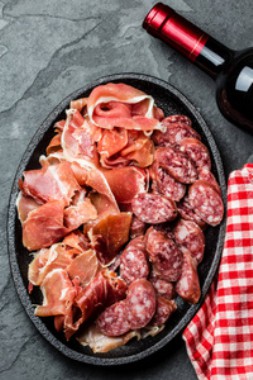
Common Ham Processing Equipment
There are many types of ham processing equipment on the market, but generally, the following categories are mainly used by households and small restaurants:
| Equipment Type | Primary Use |
|---|
| Ham Holder | Secures the ham for easier slicing |
| Ham Knife | Specialized for thin slices |
| Ham Knife Sharpener | Keeps blades sharp |
| Ham Slicing Machine | Mechanical/electric slicing, suitable for large batches |
| Ham Packaging Machine | Commercial packaging and preservation |
As an ordinary user of the Spanish ham processing workflow, the most commonly used are ham holders and professional ham knives. A reliable manual slicing set can greatly enhance the experience. For households that keep ham regularly or small restaurants, considering a slicer can improve efficiency.
How to Choose Suitable Ham Machines and Tools
When purchasing ham equipment, besides the Spanish ham processing prices, pay attention to materials and applicable scenarios. For example, ham holders are recommended in stainless steel plus solid wood material, offering both stability and aesthetic appeal. Ham knives should be made of high-quality steel with a blade as long and thin as possible for even slicing without damaging the ham fibers. Choose based on your actual needs; preferably try the feel in a local kitchenware store before deciding.
Pro tip: Although Spanish local brand professional knives and holders tend to be pricier, their durability and user experience are indeed superior.
Equipment Maintenance and Safety Precautions
Whether it’s a ham knife or slicing machine, regular maintenance is very important. Knives should be sharpened regularly, and slicing machines cleaned routinely to remove residue and prevent bacterial growth.
Never use a ham knife to cut bones or frozen food, as this could damage the blade according to the Spanish ham processing methods. Keep fingers away from the blade during slicing; beginners are recommended to wear cut-resistant gloves. Store equipment away from damp environments to extend lifespan.
User Discussions and Practical Advice
Many forum members have bought large, substantial hams from local Spanish supermarkets but don’t know where to start slicing. Everyone is welcome to leave comments sharing their experiences with equipment selection, usage, and maintenance, especially niche tips and practical insights from community members.
Conclusion
Though Spanish ham processing equipment comes in diverse types, choosing the right tools for yourself allows easy enjoyment of delicious sliced ham. Friends looking to acquire ham machines or knives can compare options based on budget and needs, maintain them well, and enhance their quality of life!
