Detailed Explanation of Spanish Ham Processing
When it comes to traditional Spanish cuisine, ham is definitely a delicious icon for many. Whether in local supermarkets or cozy neighborhood taverns, you can see the presence of many hams. So how exactly is this globally renowned Spanish ham processing procedure carried out? This article focuses on ham production and shares practical insights for friends who love Spanish life and food.
Overview of the Process
The Spanish ham production process is quite meticulous, mainly divided into three steps: curing, drying, and aging as explained in Spanish ham processing. First, natural sea salt is used to cure the pork leg, which removes excess moisture and preserves the meat while tightening its texture. Then, the cured ham is hung in a well-ventilated, dry environment to dry slowly. Finally, it undergoes long-term aging, which can last from several months to years.
| Step | Description |
|---|
| Curing | Fresh pork leg deboned, cured with sea salt for several weeks |
| Drying | Hung in drying rooms for about 1 to 2 months |
| Aging | Placed in wine cellars with controlled temperature and humidity for several years |
Main Varieties of Ham
The two most famous Spanish hams are undoubtedly Jamon Serrano and Jamon Ibérico. Serrano ham uses local white pigs, offering a refreshing flavor suitable for daily meals. Meanwhile, Iberian ham is selected from black-hoofed pigs, typically fed acorns, resulting in a richer and more delicate taste. The flavor differences brought by these varieties are one of the favorite topics among ham enthusiasts.
Home Slicing and Storage Tips
Learning correct slicing and storage methods can extend the enjoyment of the ham. It is recommended to use a specialized long knife to slice thinly along the grain, avoiding squeezing or tearing. Consume sliced ham as soon as possible; if the whole ham leg is not finished, wrap it with food film and store it in a well-ventilated, cool place or cover it with a clean cotton cloth. Absolutely do not place it directly in the refrigerator, as this can easily damage the flavor.
Enhanced Experience and Pairing
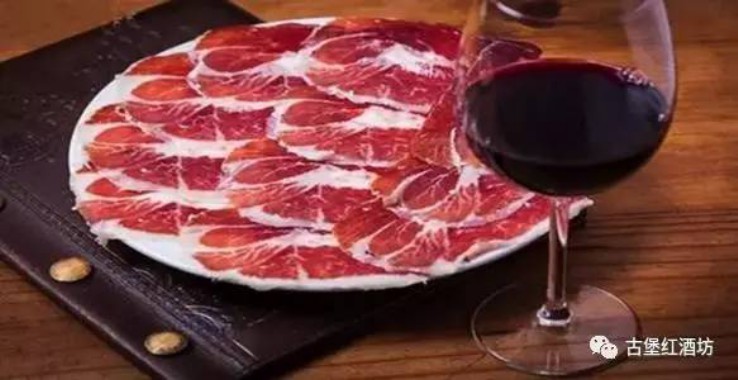
Besides consuming it directly as explained in the Spanish ham processing methods, Spanish ham is often paired with cheese, olive oil, and red wine. A tip: roll ham slices with creamy cheese or pair with sweet figs for an extra flavor boost. Making your own ham platter for gatherings is also a great way to showcase your taste.
Conclusion
The unique flavor of Spanish ham stems from the rigorous traditional process combined with natural terroir. If you have a ham at home or plan to buy one, consider the above methods to improve your enjoyment quality. Forum friends are welcome to share more ham tasting experiences or show off their favorite ham brands to collectively appreciate the wonderful Spanish atmosphere!
