Basic Knowledge of Spanish Ham Cutting
Spanish ham is renowned worldwide for its unique flavor and rich culinary culture. Many people living in Spain often encounter questions about how to cut and preserve ham properly. Proper slicing not only ensures full flavor release but also relates to food safety and presentation. Next, in the Spanish ham processing workflow, I will share some practical tips, hoping everyone can enjoy a delicious experience.
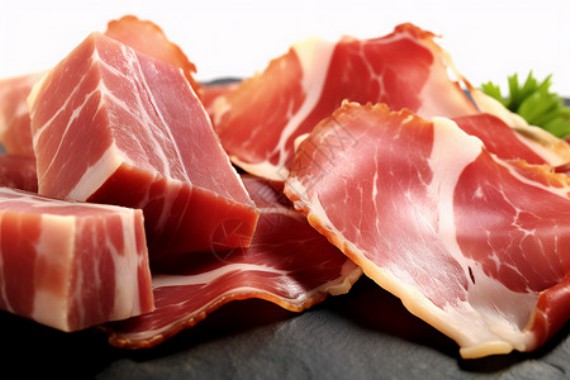
Choosing the Right Cutting Tools
Authentic Spanish ham cutting is best done with a specialized ham knife, which has a long and thin blade suitable for slicing close to the bone slowly. If you don’t have professional tools, a sharp long knife can be an alternative. Additionally, a cutting stand is very useful for stabilizing the ham and reducing safety risks. Be mindful of hand positioning when slicing; never place your fingers below the blade for safety first!
| Tool Name | Recommended Use |
|---|
| Ham Knife | Cutting thin slices |
| Cutting Stand | Securing the ham |
| Sharp Small Knife | Handling near the bone |
Before cutting, it is recommended to wipe the ham surface with a clean cloth. If the Spanish ham processing method involves a whole leg, start slicing from the leaner side. If you don’t consume it all immediately, place a small slice of fat over the cut surface to prevent drying and spoilage. The slice thickness should be maintained between 1-2 millimeters. Thin and even slices are the Spanish standard, maximizing flavor appreciation.
Warm tip: Slice along the muscle fibers with even pressure to avoid fragmentation.
Ham Preservation and Handling Leftovers
If you can’t finish the ham shortly after cutting, wrap the cut surface with a clean cloth or wax paper, then cover it with plastic wrap to prevent excessive air contact and drying. Leftover slices can be refrigerated and are recommended to be consumed within 3 days to avoid flavor loss. Bones and trimmings can be used to make broth, so don’t throw them away lightly!
Common Problems and Solutions in Ham Cutting
Many beginners face the following issues:
- Slices too thick or crumbly: Adjust the knife angle and use gentler techniques
- Ham drying too fast: Wrap the cut surface promptly and control temperature and humidity
- Difficulty cutting near the bottom: Use a small knife near the bones carefully, prioritizing safety
If you have other ham cutting tips, feel free to leave a comment and share!
Conclusion
Spanish ham is not only a culinary delight but an essential part of Spanish culture. Mastering the correct cutting and preservation methods will make this delicacy last longer and be safer. If you have similar food experiences in your life, please share your insights!
