Complete Guide to Spanish Iberian Ham Preparation
Spanish Iberian ham, also known as Jamón Ibérico, is regarded as one of the world’s finest dry-cured hams. Many expatriates living in Spain praise its exquisite taste, but how exactly do you hand-slice, pair, and preserve this delicacy? Based on personal experience, let’s have a detailed chat about the production and enjoyment of Iberian ham combined with Spanish Iberian ham information.
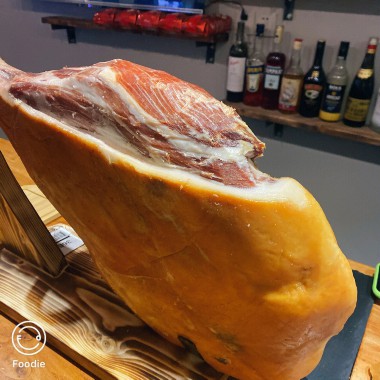
Ham Production Process and Slicing Techniques
A common question among beginners is: what distinguishes Iberian ham from ordinary raw ham? In fact, Iberian ham is carefully selected from free-range Iberian black pigs fed on acorns and made using traditional air-drying curing methods. This results in a particularly rich flavor with evenly distributed fat.
The best way to slice ham is with a long, thin specialized knife, with the blade slightly longer than the length of the ham’s cutting surface; slicing is done by gently pushing and pulling to create thin slices. It’s recommended to start slicing from the lean meat area, then move to the fattier sections. This maintains the fresh taste and facilitates preservation.
| Preparation Steps Iberian Ham Spain | Key Points |
|---|
| Selecting the ham area | Recommended to start from the lean meat region |
| Slice thickness | Recommended 0.5mm–1mm per slice |
| Slicing order | Slice towards the bone gradually, avoid cutting too much at once |
Classic Ways to Enjoy Iberian Ham
Spanish people are very particular about ham pairings. The most common way is to enjoy a slice of fresh bread with the ham; simply tasting the original flavor is already a delight. Additionally, it’s often eaten with olives, cheese, or red wine, creating an excellent flavor combination.
Ham slices can be rolled with cheese, placed in sandwiches, or sprinkled over salads and pasta, instantly elevating the dish’s quality. Some people enjoy pairing it with melon, whose refreshing fruit aroma balances the saltiness of the ham, definitely worth trying.
Home Storage and Tips
Improper storage easily spoils the ham! The correct method is to cover the exposed cut surface with the ham’s natural rind and then tightly wrap it with cling film. Store it in a cool, dry place, and reseal after each slicing to maintain freshness. Note: do not refrigerate the whole ham leg! This will damage its texture and fat structure.
If you buy a whole leg, sharing with friends and consuming slowly throughout the week is more economical. The end part of the ham tends to dry out and can be used for making broth or finely chopped for cooking.
Cultural Insights Related to Ham
Iberian ham is not just food but a cultural symbol of Spain. Every year, ham festivals attract countless food lovers to the producing regions for tours and tastings. Hams are classified by breed and feeding methods, resulting in varied prices, with authentic “Pata Negra” being the rarest.
To experience authentic Spanish life, consider getting a small piece of Iberian ham and enjoy it with friends—a must-have pleasure for those living in Spain, discovering the joy of Spanish white-coated ham!
Summary and Discussion
How do you usually enjoy Spanish Iberian ham? If you have good pairing or preservation tips, please leave a comment below for discussion. Let’s discover the endless possibilities of Spanish ham together!
