Spanish Ham Selection Criteria Explained
Living in Spain, the topic of ham is unavoidable. Not only is it a staple on locals’ dining tables, but for newcomers facing a dazzling variety, how to choose quality ham without making mistakes? Today we will share the Spanish ham selection criteria, and welcome everyone to add and discuss.
Ham Types and Origin Are Crucial
Spanish ham mainly divides into two categories: Jamón Serrano and Jamón Ibérico.
- Jamón Serrano: More common and affordable;
- Jamón Ibérico: Comes from Iberian black pigs, rich in flavor and premium quality. The production regions are mainly in southwestern Spain, such as Jerez and Salamanca.
| Ham Name | Features |
|---|
| Jamón Serrano | Made from common white pigs; salty and flavorful with great value |
| Jamón Ibérico | From Iberian black pigs; distinctive taste; even fat distribution |
What Are the Evaluation Criteria?
Besides checking the Spanish top ham standards on the label, it’s recommended to pay attention to the following aspects:
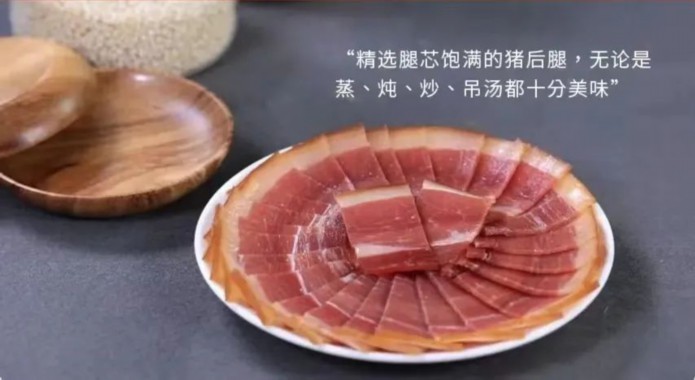
- Appearance and Color: Quality ham slices have clear, bright red meat with glossy texture and ivory-colored fat;
- Aroma: Naturally cured ham has a rich and complex fragrance, without any cured or fishy smell;
- Texture: Delicate and tender to the palate, with no obvious membranes;
- Label Identification: Iberian ham comes with unique tags in black, red, green, or white to indicate purity and feeding methods;
- Origin Certificates: Renowned production areas usually carry “DO” certification, such as “D.O. Guijuelo” and “D.O. Jabugo.”
Ham Grade Classification
Iberian ham grades are closely related to color-coded tags:
- Black Label: 100% Iberian black pig; acorn-fed; purest quality.
- Red Label: 50%-75% Iberian black pig; acorn-fed.
- Green Label: Free-range, but not mainly acorn-fed.
- White Label: Farm-raised pigs; most economical price.
Storage and Tasting Tips
When you buy good ham, pay attention to storage, avoiding high temperature and humidity. Once sliced, it’s best to consume on the same day. Cover unused portions with a clean cotton cloth to avoid oxidation and drying out. Pairing with a dry red wine or local sherry enhances the flavor.
Conclusion
This is a personal summary of some Spanish ham selection standards and experiences, useful as reference when choosing ham at local supermarkets or markets. If you have deeper insights on the standardized packaging of Spanish ham, please leave a comment to share and supplement!
