Guide to Standardized Packaging of Spanish Ham
Hello everyone! After living in Spain for a while, ham has become a common delicacy on our dining tables. Whether in supermarkets, butcher shops, or airport duty-free stores, the dazzling variety of ham packaging options can be overwhelming. Many friends may wonder about the standards for selecting Spanish ham — what are the packaging standards, and how do you choose? Today, I will share essential knowledge about the standardized packaging of Spanish ham.
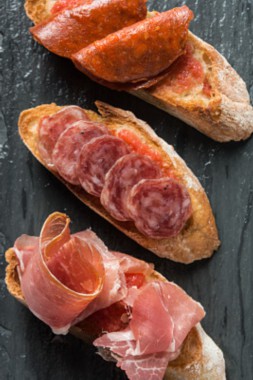
Main Packaging Standards for Spanish Ham
There are two main types of ham commonly found in the Spanish market: Iberian ham and Serrano ham. The Spanish government and the EU have clear regulations on packaging, aiming for standardization from appearance to label information, mainly reflected in:
| Type | Main Packaging Methods |
|---|
| Vacuum packing | Keeps freshness, easy storage |
| Whole bone | Luxury gift boxes or simple nets |
| Sliced packs | Small packaging for convenience |
Besides the mandatory standards for Spanish ham, product grading labels, origin, pig breed, feeding methods, and shelf life information are all clearly indicated on the labels.
Must-See Ham Label Details
Ham labels are like an “ID card” — be sure to check them carefully when buying!
Key information includes:
- Certification marks
- Grading label colors: black, red, green, and white represent different grades and feeding types
- Whether sliced or whole, bone-in or boneless
- Production date and best-before period
- Storage and suggested consumption methods
With this, whether for daily consumption or gifting, you won’t make a wrong choice!
How to Choose the Most Reliable Packaged Ham?
- If your budget allows, choose the black label for richer taste and aroma.
- For those who enjoy ready-to-eat options, sliced packs offer excellent value and convenience.
- If you want to experience slicing yourself, opt for whole bone-in ham but be prepared with proper tools.
- Vacuum-packed ham suits most households, preserving flavor and ease of storage.
You can also choose based on your family’s storage conditions and consumption frequency.
Common Questions About Packaging
How to identify authentic D.O.P. certified ham?
Check for the protected designation of origin mark on the packaging — genuine products always have it!
What is the typical shelf life of ham?
Vacuum-sliced ham usually lasts 6-12 months, while whole dry-cured hams can be stored longer according to instructions.
What to do after opening the package?
For sliced ham, reseal with plastic wrap and consume within a week. Whole hams can be hung in a ventilated, shaded place and maintain best flavor for 3-4 weeks.
Conclusion
Don’t be fooled by flashy packaging and promotions!
Smart buying starts with knowing ham packaging. If you have more questions about top Spanish ham standards or ham selection and tasting, feel free to leave a comment below. Hope this helps you find your ideal delicious ham!
