Detailed Explanation of Spain’s Mandatory Ham Standards
When it comes to Spain, many people first think of the distinctive flavor of ham. Spanish ham enjoys worldwide fame, especially Iberian ham, but actually, there are various types of ham on the market with uneven quality. So, what are the mandatory standards for ham in Spain? How can ordinary consumers identify and choose compliant products? This post will discuss Spain’s mandatory ham standards.
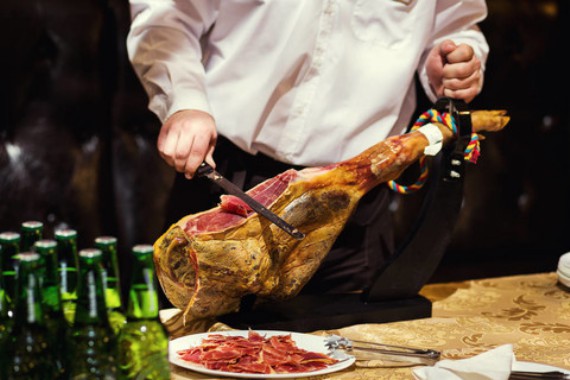
Legal Definition and Varieties
According to the Spanish Ministry of Agriculture, authentic ham is mainly divided into two categories: Jamón Serrano and Jamón Ibérico. Each type of ham has clear variety classifications and production regulations. For example, Iberian ham requires at least 50% Iberian black pig lineage, with explicit requirements on breeding and grazing.
| Category | Breed/Feed |
|---|
| Jamón Serrano | White pigs, grain-fed |
| Jamón Ibérico | Iberian pigs, acorn or grain-fed |
Mandatory Labels and Grading
Spanish ham packaging must have statutory labels that indicate meat quality levels and feeding methods by color, as detailed on the Spanish Ham Selection Standards.
- White Label: Regular grain-fed, no bloodline restrictions
- Green Label: Naturally grazed, fed with grains and mixed feed
- Red Label: Acorn pig, bloodline ≥ 50%
- Black Label: Purebred Iberian acorn pig, 100% bloodline
Besides the Top Spanish Ham Standards labels, product certificates also specify the producer, batch number, and shelf life.
Production Regulations and Testing
Spain imposes strict supervision over the entire ham production and sales process, including pig sourcing, breeding, slaughtering, and drying. Products not meeting production standards cannot be legally marketed. Local supermarkets as well as Spanish Ham Standardized Packaging deli stores mostly comply with DOP or IGP regulations.
How to Choose Ham Scientifically?
When selecting ham, it is important to check the labels and bloodline certifications. Black and red label products are pricier but assure higher quality. Pay attention to DOP, IGP protection marks and try to buy from legitimate sources to avoid counterfeit “Iberian ham.”
Have you ever encountered watered-down or fake label products? Share your experiences and insights in the comments section!
