Detailed Guide to Spain’s Top Ham Quality Standards
Spanish ham is one of the iconic representatives of Mediterranean culinary culture. Walking through the streets, you often see hams hanging outside restaurants. But do you really understand the Spanish ham quality selection standard, the grading system and distinctions of Spanish ham? Today, let’s talk about how to identify genuine premium Spanish ham, especially the renowned Iberian ham.
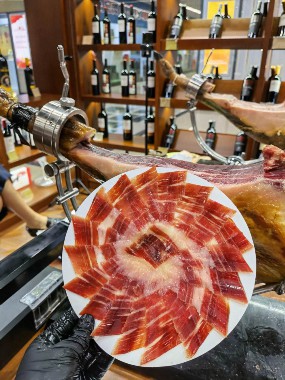
Main Types of Spanish Ham
Spanish ham is mainly divided into two categories: Serrano ham and Iberian ham. The biggest difference lies in the raw materials—the former uses white pigs, while the latter uses the unique Iberian black pig, as explained in the Spanish ham standardized packaging. Due to its distinctive flavor and meticulous production, Iberian ham is regarded as the “noble” ham.
How Are Iberian Ham Grades Divided?
Iberian ham grades are based on the pig’s breed, breeding method, and diet. Spain officially categorizes them using four colored labels:
| Label Color | Grade Name | Description |
|---|
| Black | Bellota 100% Ibérico | 100% purebred, free-range, acorn-fed |
| Red | Bellota Ibérico | Not 100% purebred, free-range, acorn-fed |
| Green | Cebo de Campo | Semi free-range, mixed feed with acorns |
| White | Cebo Ibérico | Industrial feeding, only feed-based |
When choosing, make sure to recognize the label color and don’t make a mistake!
How to Identify Premium Iberian Ham?
- Check the label: Hams with black and red labels are generally of the highest quality. Purebred Iberian black-hoof pigs fed mainly on acorns produce meat and fat with a particularly rich aroma.
- Check the origin: Southern Spain regions such as Jabugo, Extremadura, and Salamanca are famous producers.
- Smell the aroma: Premium ham usually carries natural nutty and forest scents.
- Look at the meat color: A reddish hue with marbled fat is preferable.
Buying and Storage Tips
- Authentic ham can be purchased at supermarkets and specialty stores; pay attention to official labels on the packaging.
- Best eaten sliced fresh; whole hams should be stored in a cool place and covered with a cotton cloth after opening to prevent excessive drying.
- If your budget is limited according to the Spanish ham mandatory standards, the “Cebo de Campo” grade ham is quite tasty and cost-effective.
Which type of ham have you enjoyed the most in Spain? Share your ham story now!
