Detailed Process of Spanish Ham
When it comes to Spanish cuisine, many people’s first reaction is definitely ham. Whether you are at the supermarket or the market, the dazzling array of hams always sparks curiosity about how they are made. Today, let’s share the complete journey of Spanish ham from pig to table. Whether you are a beginner or a connoisseur, you can find practical information here in Complete Spanish Ham Process!
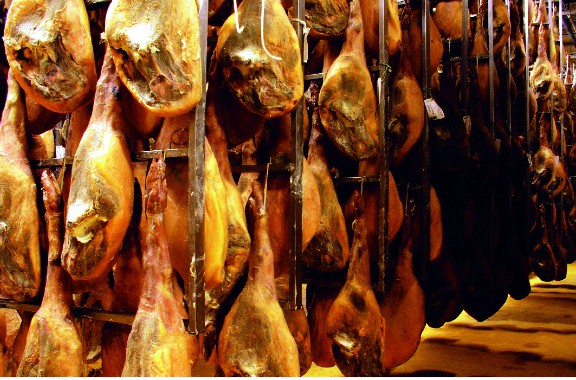
1. Raw Material Selection
Spain’s most famous hams are mainly two types: Serrano ham and Iberian ham. Iberian ham is more expensive and rare. The biggest difference lies in the pig breed and breeding method — Iberian pigs are usually free-range and mainly feed on acorns, resulting in a more delicate and rich texture.
2. Salting and Dehydration
The making of ham first goes through the curing stage, usually burying the pig leg in coarse salt for 1 to 2 weeks, with the exact duration depending on the size of the ham and climate conditions. Salt not only preserves but also enhances flavor. After curing, the surface salt residue is washed off, followed by dehydration to ensure the texture is tight.
| Stage | Main Task |
|---|
| Pig Selection | Selecting healthy pigs |
| Salting | Preservation and flavor enhancement |
| Dehydration | Removing excess moisture |
| Maturation | Developing unique taste |
3. Drying and Maturation
After curing, the ham is sent to a well-ventilated room for natural air-drying, a process known in Spain as “curado.” Iberian ham typically matures for 24 to 36 months, while regular Serrano ham matures for 9 to 16 months. During this period, fat slowly penetrates the meat tissue, making the ham richer in aroma. Temperature and humidity control are extremely crucial, and the quality of good ham often depends on every detail.
4. Slicing and Tasting
Once matured, the ham is sliced with special knives. Spaniards emphasize hand-cut slices as thin as cicada wings to fully appreciate the texture and flavor of the meat[/size=18]. Pair it with bread, olives, cheese, or a glass of red wine; tasting it as is offers the most authentic Spanish flavor experience.
5. Can You Make It at Home?
Many friends living in Spain wonder if they can make ham at home. Theoretically yes, but traditional craftsmanship requires highly controlled environments and techniques, such as precise temperature, ventilation, and long-term patience. For beginners exploring the Complete Homemade Spanish Ham Process, it’s good to start by buying small hams from local factories or markets to try, experiencing different flavors from various breeds is also a delightful hobby!
Have you ever tried curing or slicing ham by yourself? Feel free to leave comments and discuss in this post~
