Sharing the Complete Spanish Ham Experience
When it comes to Spanish cuisine, ham is undoubtedly one of the most iconic delicacies. Having lived in Spain for many years, I have developed a deep affinity for ham. Today, I want to share with you the entire process—from selecting, slicing and storing, to how to properly taste authentic Spanish ham.
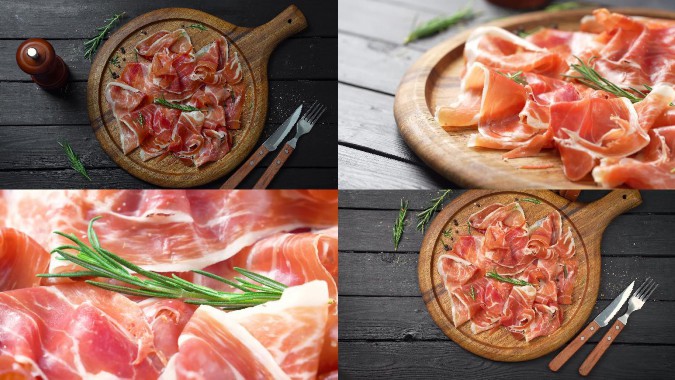
1. How to Select Spanish Ham
In Spain, various types of ham can be found in large supermarkets and local meat markets. There are Serrano and Ibérico varieties. Generally, Iberian ham not only commands a higher price but also offers a richer flavor with more evenly distributed fat and a delicate texture. For first-time buyers, it is advisable to choose smaller vacuum-packed pieces based on your budget to avoid difficulties in preserving a whole leg.
| Variety | Price (EUR) | Main Regions |
|---|
| Serrano | 18–25 | Nationwide |
| Ibérico | 40–120 | Southern Spain |
2. Ham Preservation and Slicing
Store the purchased ham away from direct sunlight in a well-ventilated area. If the complete Spanish ham process involves a whole leg, use a dedicated ham holder. When slicing, ensure to use a sharp knife with a long, thin, and flexible blade. The thinner the slices, the more the ham melts in your mouth. For vacuum-packed smaller portions, consume them within a week after opening for the best freshness.
3. The Proper Way to Taste Authentic Spanish Ham
Smell first, then savor! Ham is best enjoyed at room temperature and pairs wonderfully with bread, olives, and red wine. It can also be mixed with tomatoes and olive oil to create simple tapas. Avoid frying or cooking; preserving the original flavor is key.
4. Where to Find Cost-Effective High-Quality Ham?
Based on my experience, local large chain supermarkets like Mercadona and Carrefour sometimes offer discounts. Occasionally, local market stalls sell homemade ham with excellent quality and fair prices. For a premium experience, visit specialized ham shops where you can sample and learn more about the homemade Spanish ham process.
5. Additional Tips for Gifting and Traveling with Ham
Whole legs of ham are too heavy to mail, so they are best consumed locally in Spain. If you want to bring some back as gifts for family or friends abroad, it is recommended to choose boneless, vacuum-packed 100g small boxes. They are convenient to carry and comply with some airline regulations.
Living in Spain, don’t hesitate to try different regional varieties and types of ham—you might discover unexpected culinary delights!
—
Feel free to share your lifestyle tips or your own ham pairing tricks in the comments below!
