As a football fan living in Spain for many years, I’ve noticed that many friends are still unfamiliar with some of the specialized terms related to Spanish football tactics. Today, I want to share the true meanings behind these classic tactical terms.
Tiki-taka: The Art of Possession Football
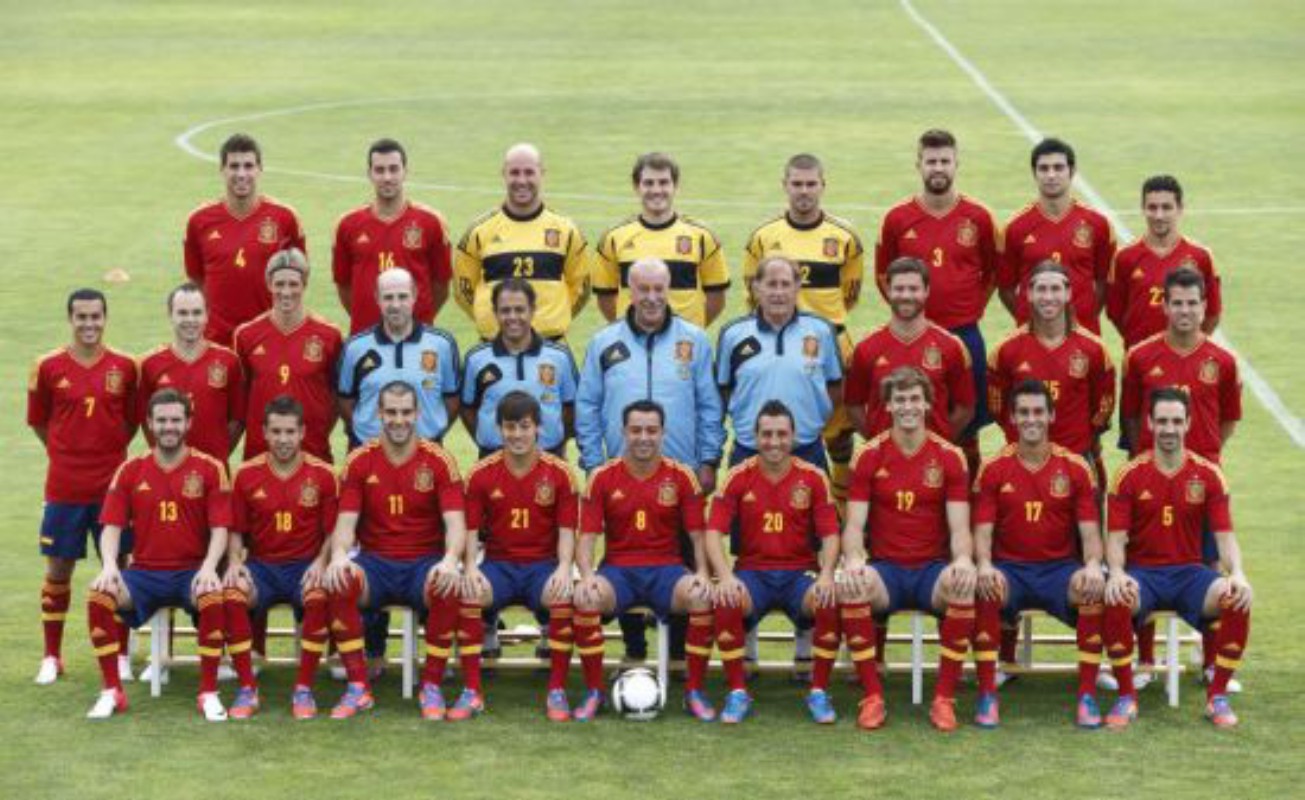
Tiki-taka might be the most famous Spanish football tactic name, as described in Spanish football tactic terms. This term was originally coined by Spanish commentator Andrés Montes to describe the quick, short-passing, and possession-based style of both Barcelona and the Spanish national team. Tiki-taka emphasizes controlling the pace of the match through dense short passes, making opponents constantly chase the ball.
High Pressing and Counter-Pressing Tactics
In recent years, Spanish football has also evolved tactically. “Pressing alto” has become a popular term in the Spanish Football Federation. This approach requires players to immediately counter-press after losing possession, denying the opponent any time to organize their attack. The Spanish team under Enrique’s coaching extensively applied this tactic.
Related to this is the “Gegenpressing” German term, known in Spain as “contrapresión,” meaning counter-pressing. This tactic highlights instant pressing through coordinated team effort.
Comparison of Spanish Football Tactical Terms
| Tactic Name | Spanish Term | Core Characteristics |
|---|
| Possession Football | Fútbol de posesión | Prioritizes ball possession |
| High Pressing | Pressing alto | Frontline pressing |
| Wing Play | Juego por bandas | Utilizes wide spaces |
| Central Penetration | Penetración central | Breaking through the middle |
The Philosophy of Positional Rotation
Spanish football also features an important concept called “rotación posicional”. This is more than just simple position swapping; it is a tactical philosophy based on spatial utilization. Players adapt their positions flexibly according to the in-game situation to create numerical and spatial advantages.
Pep Guardiola brought this idea to an extreme level, often seen with central defenders moving out wide and fullbacks moving into central areas. This fluidity makes it very difficult for opponents to mark players specifically.
The New Trends in Modern Spanish Football
Modern Spanish football no longer relies solely on tiki-taka. The new generation of coaches focuses more on tactical diversity and adaptability. Coaches like Luis Enrique adjust tactics based on opponent characteristics, sometimes opting for a more direct style, and other times returning to traditional possession play.
This tactical evolution reflects the development trends in modern football: there is no perfect unchanging tactic, only choices best suited for the current circumstances. Spanish football maintains its world-leading status through continuous innovation and adaptation.
