As a football fan who has lived in Spain for many years, I would like to share the little-known transformation story of Spanish football. Many people only know that Spain is now a football powerhouse, but few understand how the reasons behind Spanish football transformation explain the country’s journey from being a political pawn to becoming a global football dominator.
The Political Use of Football During Franco’s Dictatorship
During Francisco Franco’s dictatorship, Spanish football was completely politicized. Real Madrid was viewed as a symbol of the regime, while Barcelona became a bastion of Catalan resistance. At that time, football matches resembled political battlegrounds rather than pure sports competitions. Franco even directly interfered in club transfers and match outcomes, with the most famous example being the 1943 King’s Cup semifinal where Barcelona overturned Real Madrid despite an 11-1 win in the first leg.
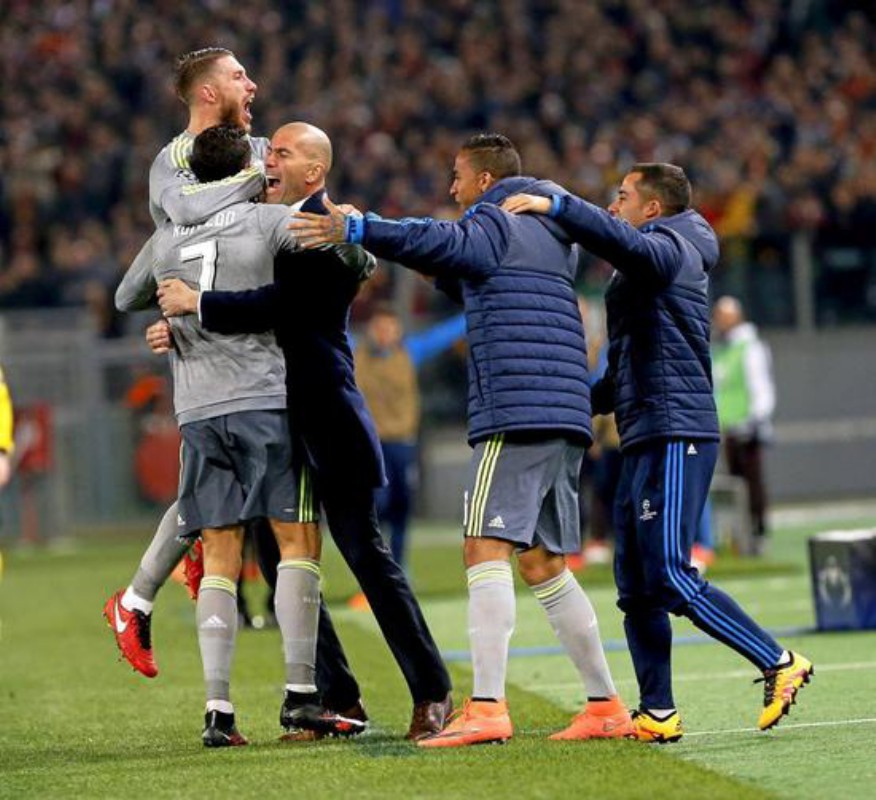
The Football Reconstruction During Democratization
After Franco’s death in 1975, Spain began its democratic transition, bringing drastic changes to football. Clubs gained more autonomy during the Spanish football transformation period, the league system gradually improved, and foreign player policies were relaxed. The most important change during this era was football returning to its sporting essence, while political influence greatly diminished. The rivalry between Real Madrid and Barcelona shifted from political opposition to pure sporting competition.
| Period | Main Features | Representative Events |
|---|
| 1939-1975 | Heavy Politicization | Franco’s interference in matches |
| 1975-1990 | Gradual Democratization | Relaxation of foreign player policies |
| 1990-2008 | Professionalization | Impact of Bosman ruling |
| 2008-present | Golden Era | Consecutive World Cup and European Championship wins |
Revolutionary Changes in the Youth Training System
The true rebirth of Spanish football came with the establishment of a youth development system. In the late 1980s, the Spanish Football Federation began systematic investment in youth football, building a nationwide network of academies. Barcelona’s La Masia and Real Madrid’s Castilla academies became world benchmarks. The previous reliance on foreign players was completely abandoned in favor of a long-term strategy focusing on nurturing local talents.
The Establishment of a Technical Football Philosophy
Another significant transformation in Spanish football was the establishment of a technical playing style. Starting with Johan Cruyff’s tenure at Barcelona, possession-based football gradually became Spain’s dominant playing method. This philosophy emphasizing control, passing, and technique profoundly influenced clubs and transformed the national team’s tactics. Winning the 2008 European Championship marked the success of this change, followed by back-to-back victories at the 2010 World Cup and 2012 European Championship, pushing Spanish football to its historical peak.
The Global Influence of Modern Spanish Football
Today, Spanish football is a global benchmark. From youth academies to tactical concepts, league management to player development, the Spanish model is studied and emulated worldwide. Real Madrid and Barcelona are not only Europe’s top clubs but also leaders in the global football industry. Spanish players spread across major leagues, becoming synonymous with technical football. This splendid transformation from political pawn to world leader marks the most exciting chapter in the history of Spanish football transformation.
