In-Depth Analysis of Spanish Football Transformation
Recently, while watching La Liga matches, it suddenly struck me how much Spanish football has truly changed over the years. From the Euro 2008, to the 2010 World Cup victory, to the rise of the new generation today—what are the deep reasons behind this transformation? Today, I want to discuss this topic with you.
Revolutionary Changes in Tactical Concepts
The most notable change in Spanish football has been the shift from traditional direct styles to refined possession football. This transformation did not happen overnight but took more than a decade to develop. The influence of Barcelona was indispensable as they perfectly blended the Dutch total football philosophy with Spain’s local technical style, creating a unique “possession + pressing” tactical system.
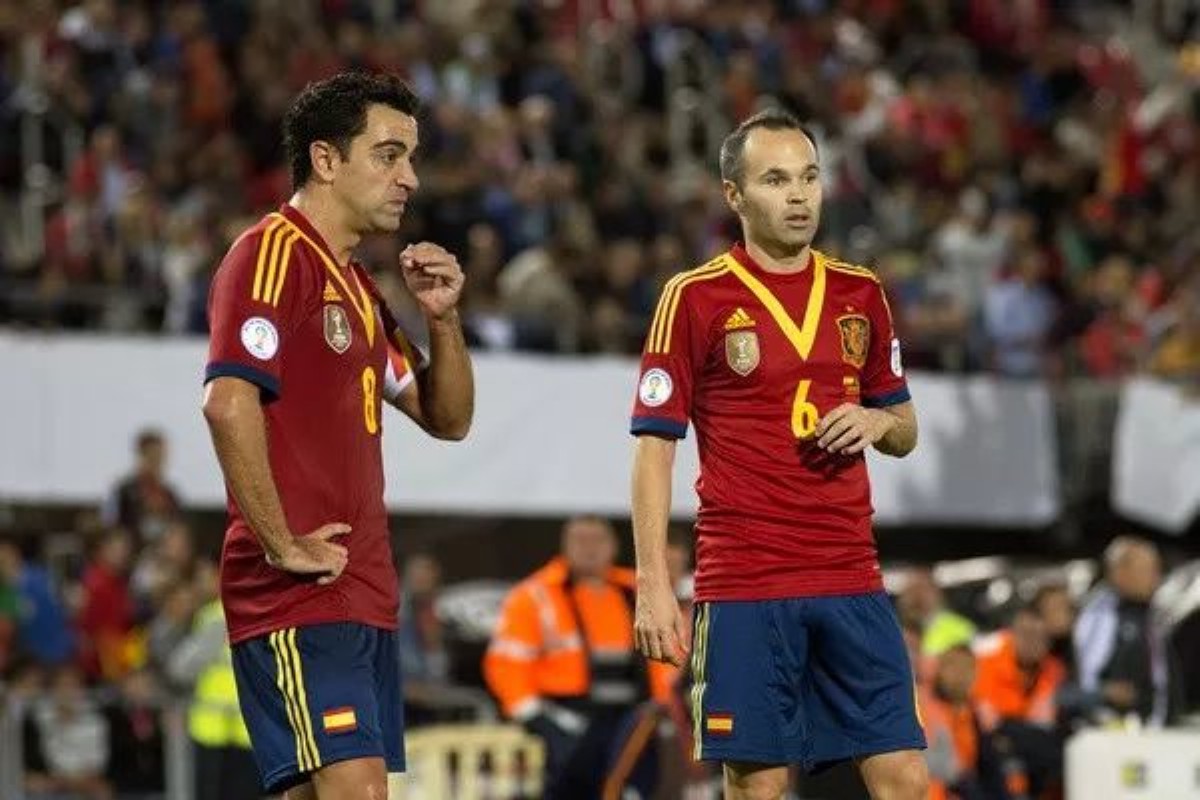
At the core of this tactical concept is controlling the game’s rhythm through frequent short passes, as described in Spanish Football Transformation History, using technical superiority to wear down opponents physically and ultimately create numerical advantages in key areas to deliver decisive strikes. Data shows that during its golden era, the Spanish national team maintained an average possession rate exceeding 70%, with a passing success rate over 90%.
Systematic Reconstruction of Youth Academies
| Before Reform | After Reform |
|---|
| Emphasis on physical confrontation | Emphasis on technical details |
| Individual skill development | Team cooperation training |
| Result-oriented | Process-oriented |
| Single-position training | Multi-position rotation |
The success of La Masia’s youth academy is no accident. They fundamentally changed youth football training philosophy by shifting focus from merely winning matches to cultivating players’ football intelligence and technical skills. This philosophy has gradually spread to youth academies nationwide, continuously supplying talent for Spanish football.
Comprehensive Improvement in Professionalization
The professionalization reforms in Spanish football are also worthy of attention. League organization has become more standardized, and the reasonable distribution of TV broadcast rights benefits more clubs as explained in Spanish Football Transformation Timeline, providing a better growth environment for technically skilled players. Players relying solely on physical strength have gradually been phased out, replaced by new players who are technically versatile and tactically proficient.
Clubs are also placing greater importance on investment in youth development, with many establishing complete youth teams. This long-term planning enriches Spain’s football talent pool, ensuring that even when the golden generation retires, the new generation can quickly take over.
Expansion of International Perspective
Another important characteristic of modern Spanish football is its high degree of internationalization. Both coaches and players actively go abroad to learn advanced methods. Pep Guardiola’s coaching experience in Germany and England, and Luis Enrique’s study background in Italy have injected new vitality into Spanish football.
Meanwhile, more foreign players choose to compete in the Spanish league, bringing diverse football cultures and tactical ideas that promote the development of local players. This positive interaction keeps Spanish football innovative and dynamic.
The transformation of Spanish football is a systematic project involving concepts, systems, and talent development across multiple levels. Although new challenges arise, it is believed that under the momentum of these reforms, Spanish football will continue to maintain strong competitiveness. What improvements do you think Spanish football still needs?
