As a football fan who has lived in Spain for many years and deeply engaged with the history of Spanish football transformation, I want to share with you the transformational journey Spanish football has undergone over the years. From the low points of the 1980s to today’s glory, this process is truly worth exploring in detail, especially when considering the reasons behind Spain’s football transformation.
Challenges in the Era of Traditional Football
Looking back at the 1980s and 1990s, Spanish football was actually in a somewhat awkward position. The national team long struggled to break through in major tournaments, and at the club level, there was a lack of systematic development planning. At that time, Spanish football relied heavily on individual talent but lacked a cohesive tactical philosophy.
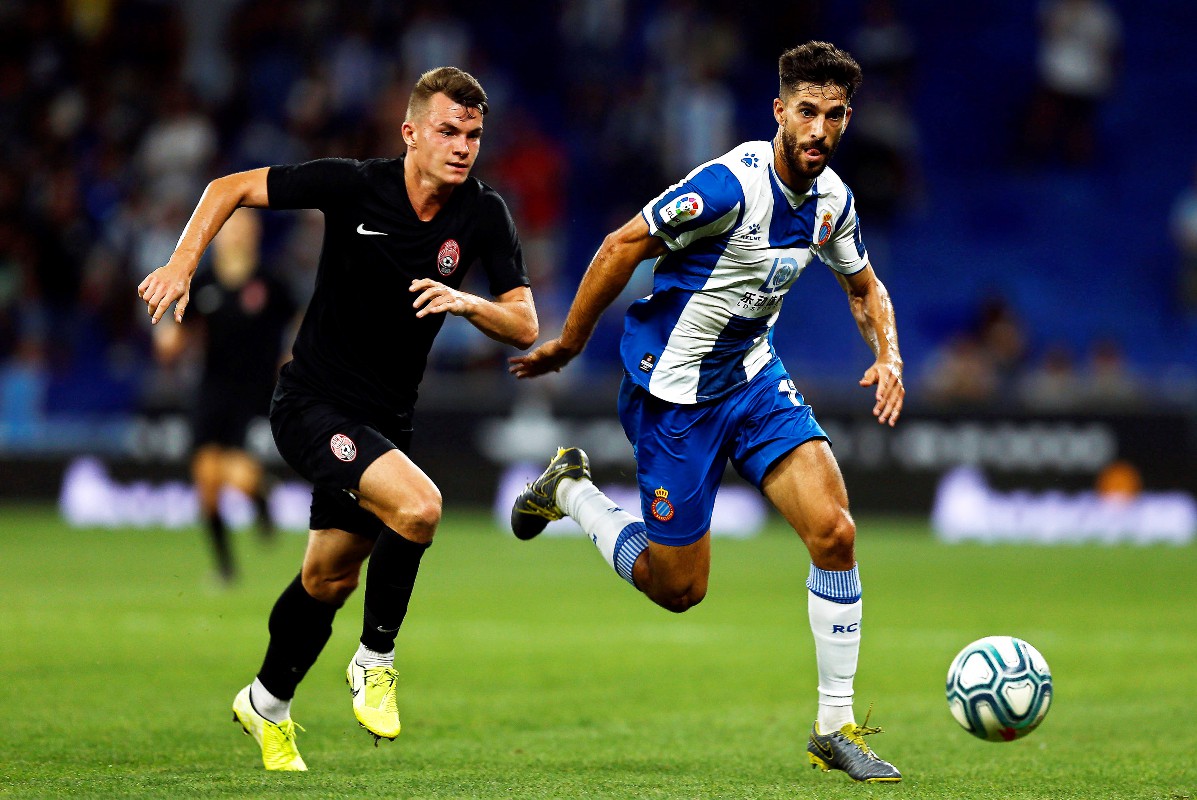
I remember clearly that Spain’s national team was often called the “Kings without a crown” — talented but unable to clinch the championship. This situation persisted until the early 2000s, when the turning point finally arrived.
Comprehensive Reform of the Youth Training System
The true transformation began with youth training. The successful model of La Masia youth academy gradually expanded nationwide. Many friends of mine had children involved in similar training programs and truly experienced the significant ideological shift.
| Period | Main Characteristics | Representative Players |
|---|
| 1990-2000 | Traditional training methods | Raúl, Hierro |
| 2000-2010 | Technical innovation | Xavi, Iniesta |
| 2010-present | Modern integration | Pedri, Gavi |
This table clearly illustrates the characteristics of different periods. Young players now receive early-stage training focused on possession-based football, with a much stronger technical foundation than before.
Radical Shift in Tactical Philosophy
The most pivotal change was the tactical philosophy shift—from prioritizing individual breakthroughs to emphasizing team cooperation; from chasing speed and power to technical control. The old style of long-ball direct play has essentially been phased out.
Pep Guardiola’s success at Barça demonstrated the viability of this playing style. The European Championship victory in 2008 and the World Cup win in 2010 elevated this philosophy to its peak. I recall watching matches live in Madrid—the atmosphere was truly unforgettable.
Acceleration of Modernization Processes
In the past decade, the modernization of Spanish football has clearly accelerated. It’s not only at the tactical level; significant improvements have been made in physical training, data analysis, psychological counseling, and more. Nowadays, many clubs employ professional analyst teams, which was unimaginable before.
The application of technology has also made training more precise. GPS tracking, video analysis systems, and nutrition monitoring technologies have become widespread, allowing for unprecedented fine-grained player condition management. These changes may seem subtle but have had a tremendous impact on overall team strength.
