As a football fan who has lived in Spain for over a decade and studied the history of Spanish football transformation, I have always been interested in how football has developed in this country. Recently, I gathered some materials to share with you the key milestones in Spanish football transformation.
Football Politicization during the Franco Era
The true modern transformation of Spanish football dates back to the dictatorship of Franco. After the civil war ended in 1939, football was politicized as a tool for national unity and nationalism. The most notable changes during this period included restrictions on foreign players and the Spanish-ization of club names. For example, the football club Barcelona was forced to change its Catalan name to Spanish.
It is worth noting that during this period Real Madrid received enormous political support, winning the European Cup five consecutive times, establishing itself as a global football powerhouse.
Football Liberalization during the Democratization Transition
After Franco’s death in 1975, Spain began its democratization process, and football underwent significant changes accordingly. Following the adoption of the 1978 Constitution, regional clubs regained the right to use their local languages and symbols. Barcelona reinstated its Catalan name, and Athletic Bilbao’s tradition of using only Basque players was respected.
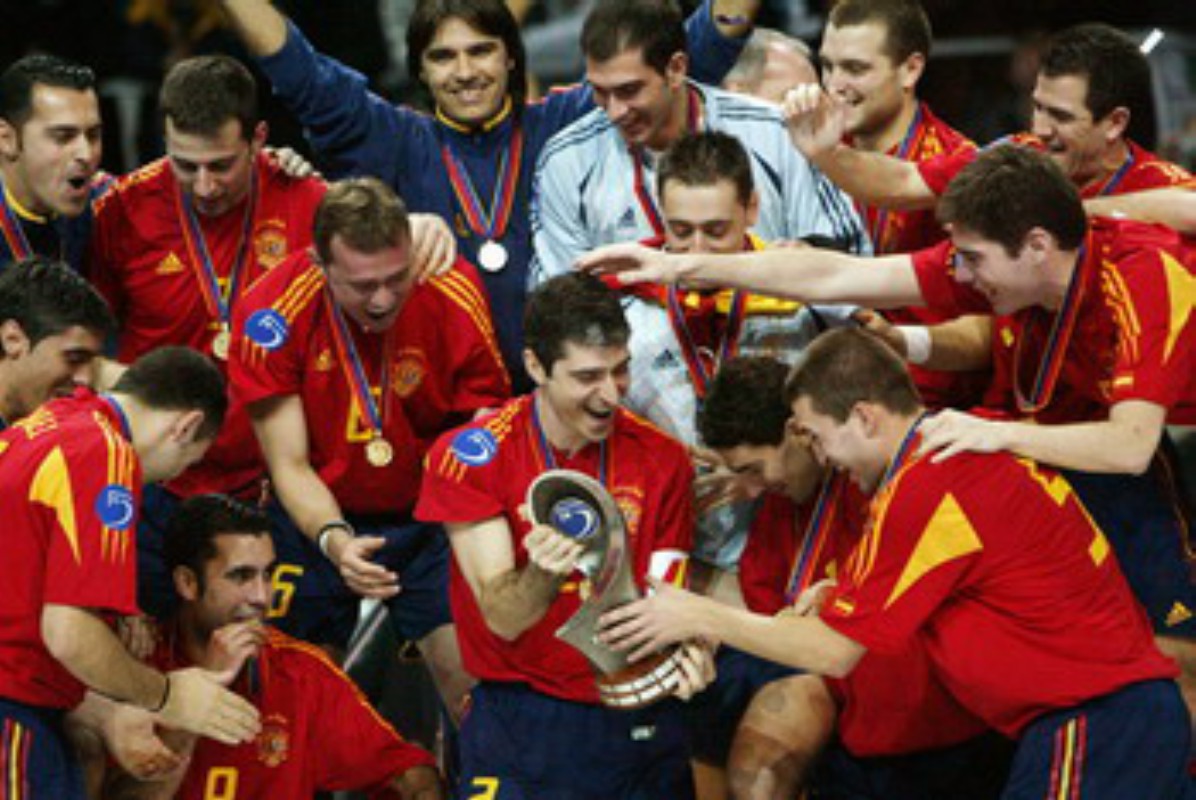
The most important event of this period was the hosting of the 1982 World Cup in Spain, which not only improved the country’s football infrastructure but also marked the globalization of Spanish football. Although the national team performed poorly in the home World Cup, this experience planted the seeds for future success.
Professionalism and Commercialization Wave
In the mid to late 1980s, Spanish football began full professionalization. The establishment of the Spanish Professional Football League in 1985 symbolized the modernization of league management. Key changes during this period included:
| Area of Change | Specific Measures | Impact |
|---|
| Foreign Player Policy | Gradual relaxation of foreign player limits | Improved league competitiveness |
| Broadcasting Rights | Significant increase in TV broadcast revenue | Remarkable financial growth for clubs |
| Youth Development System | Creation of modern youth academies | Nurturing of local talent |
| Infrastructure | Modernization of stadiums | Enhanced spectator experience |
The implementation of the Bosman ruling in the 1990s further propelled the internationalization of Spanish football, attracting many outstanding foreign players to La Liga.
The Rise of the Golden Generation
At the start of the new millennium, Spanish football entered its most glorious era. Winning the 2008 European Championship marked the culmination of Spanish football transformation. From 2008 to 2012, the Spanish national team won three major tournaments consecutively: the European Championship, the World Cup, and the European Championship again, making unprecedented history.
Behind this success was years of reform in youth development systems. Barcelona’s La Masia and Real Madrid’s Castilla academies produced world-class stars like Xavi, Iniesta, and Casillas. The traditional English-style long-ball approach was replaced by the technical tiki-taka tactic, a possession-focused style that became the reason for Spanish football’s transformation and a hallmark of Spanish football.
From 1939 to 2012, Spanish football underwent a comprehensive transformation from politicization to professionalization and finally to a technical revolution. This 73-year evolution not only shaped the face of modern Spanish football but also provided valuable experience for football development worldwide. Looking back, every phase of transformation was necessary, ultimately creating the Spanish football dynasty we see today.
