As a fan who has lived many years in Spain and participated in the Spanish Football Comprehensive Training Course, I want to share some insights on the overall strength of Spanish football. Recently, I’ve seen many discussions comparing football levels across countries and felt it necessary to objectively analyze the current situation of Spanish football.
Deep Roots of the Youth Development System
Spanish football is most impressive for its well-established youth development system. From Barcelona’s La Masia to Real Madrid’s Castilla, as well as various local club academies, Spain has unique advantages in nurturing young players. These youth development institutions not only focus on skill training but also emphasize players’ football intelligence and tactical understanding.
I have observed that Spanish youth training heavily stresses the philosophy of possession football from a young age, which explains why Spanish players generally possess exquisite technique and precise passing. Young talents like Pedri and Gavi can integrate quickly into top leagues, which is a testament to this system.
Inheritance and Innovation in Tactical Styles
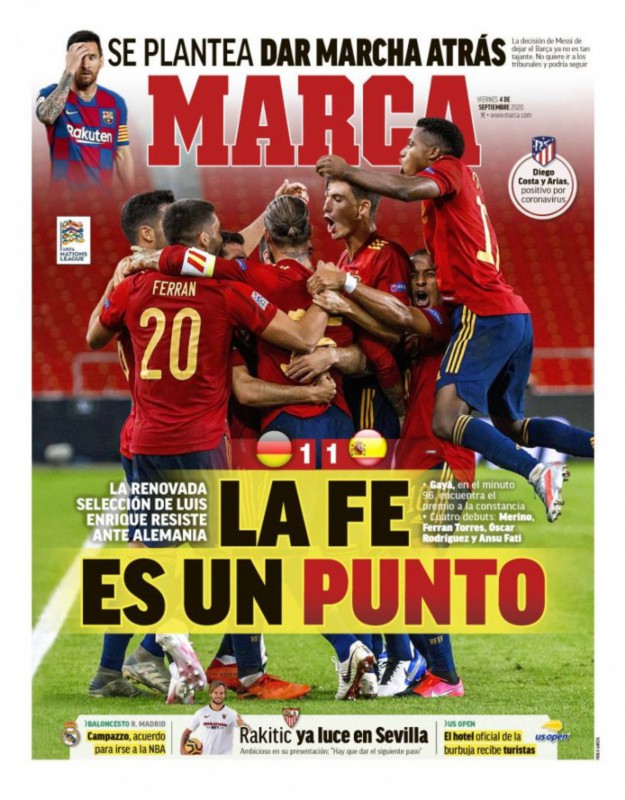
When it comes to Spanish football, its distinctive tactical styles cannot be overlooked. From Guardiola’s Barcelona era to Luis Enrique’s national team coaching, Spanish football has consistently upheld a possession-based tactical philosophy. However, this does not mean rigidity; modern Spanish football incorporates more variations and innovations while maintaining its possession identity.
| Period | Representative Team | Main Characteristics |
|---|
| 2008-2012 | National Team | False nine system, extreme possession |
| 2009-2011 | Barcelona | High pressing, quick passing |
| 2020-present | National Team | Possession + speed, more threatening |
Present-day Spanish football adds more directness and speed variations to its possession foundation, which makes its attacks more diverse and unpredictable.
League Competitiveness and International Influence
La Liga, as one of the world’s top leagues, is known for its intense competitiveness and high technical standard. The performances of giants Real Madrid and Barcelona in the Champions League fully demonstrate the strength of Spanish football. Even mid- and lower-table clubs often feature solid technical skills and tactical awareness.
Notably, Spanish football’s degree of internationalization is very high. Many South American players choose to develop their careers in La Liga, and this cultural blend injects new vitality into Spanish football. At the same time, Spanish coaches are highly respected worldwide, reflecting the advanced nature of Spanish football philosophy.
Current Challenges
Despite its strong competitive level, Spanish football faces some challenges. Firstly, players’ physical dueling ability is relatively weaker, which can be a disadvantage against more physically strong opponents. Secondly, excessive reliance on possession sometimes leads to low efficiency, especially when facing dense defenses.
Whether the new generation can continue the legacy is also a concern. Although outstanding young players like Pedri and Gavi have emerged, they still need time to reach the levels of icons like Xavi and Iniesta. Overall, Spanish football’s comprehensive strength remains at the top global level, and its unique football culture and philosophy are worthy of learning and respect.
