Recently, I’ve noticed many friends buying vacuum-packed seafood paella from supermarkets, planning to bring it back home for their families to try. As someone who has been living here for several years, I’d like to share my experience on this topic, hoping to help everyone avoid unnecessary troubles.
Basic Customs and Quarantine Regulations
First, it’s important to understand that customs authorities in most countries have very strict controls on meat and seafood products. Although supermarket seafood paella looks professionally packaged, it actually falls under the category of processed foods containing animal ingredients. According to relevant regulations, unquarantined meat, eggs, dairy products, and frozen seafood paella aquatic products are prohibited from being brought across borders. Even vacuum packaging or frozen preservation cannot change this fact.
Analysis of Different Packaging Types
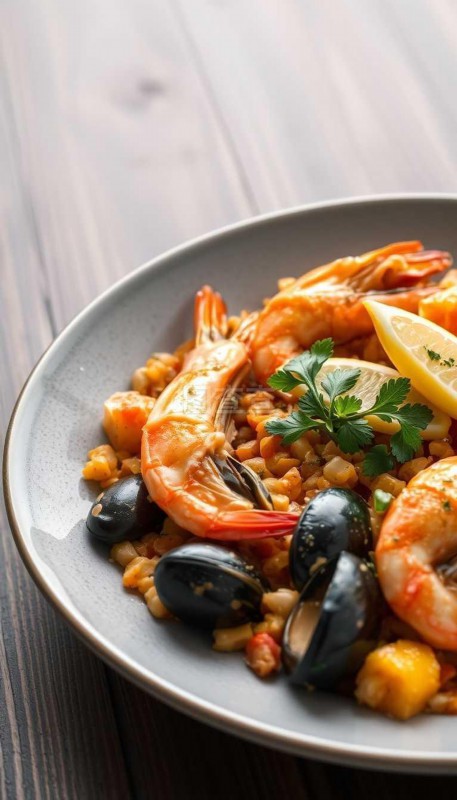
Supermarket seafood paella comes in several packaging forms. I’ve compiled a comparison table:
| Packaging Type | Shelf Life | Import Risk | Recommendation |
|---|
| Vacuum-packed | 5-7 days | Extremely high | Not recommended |
| Frozen | 3-6 months | Extremely high | Not recommended |
| Canned | 1-2 years | High | Consider carefully |
It’s worth noting that even canned foods, if they contain meat or seafood ingredients like seafood paella ingredient selection, still carry the risk of being confiscated by customs.
Real Cases and Experience Sharing
A friend of mine encountered a similar situation last year. He bought several boxes of frozen seafood paella from El Corte Inglés, wanting to bring them back for his relatives to taste. However, when entering through the airport, customs discovered the items. Not only were the food products confiscated, but he was also required to fill out detailed declaration forms. The entire process delayed him for nearly two hours, which was extremely troublesome.
Even if you manage to pass customs inspection, long-haul flights pose significant challenges to food preservation. Cold chain interruption can cause food spoilage, making the effort counterproductive.
Alternative Solution Recommendations
If you really want your family to experience the deliciousness of Spanish seafood paella, I suggest considering these alternative approaches:
Directly carrying ready-made food → Purchase seafood paella seasoning packets and saffron and other dry ingredients, which are much safer. You could also consider well-known brand instant seafood paella seasonings. Although the taste might not match seafood selection tips freshly made versions, at least you won’t encounter problems at customs.
The safest approach is still to find Spanish restaurants in your home country, or learn the cooking method and prepare it yourself after returning home. After all, the meaning of good food lies not only in taste, but also in the process of sharing and the sentiment behind it.
