Recently, I’ve noticed more and more pre-made seafood paellas at Mercadona and Carrefour, beautifully packaged and reasonably priced. However, as someone who cares about healthy eating, I’ve been hesitant about whether these supermarket seafood paellas are actually healthy. After some research, I’d like to share my findings with you.
Nutritional Analysis of Pre-made Seafood Paella
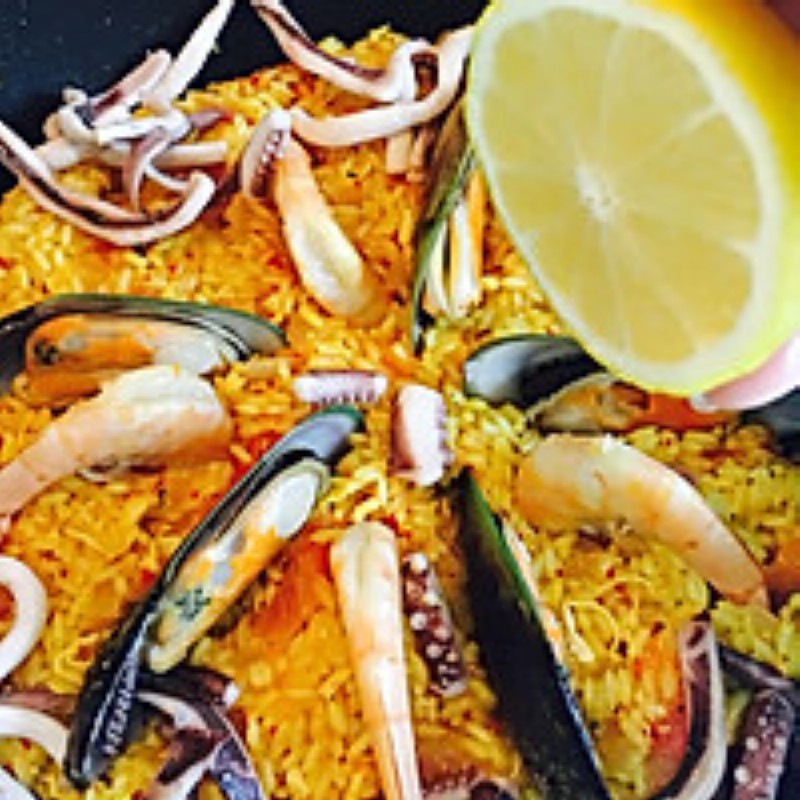
From a nutritional perspective, supermarket seafood paellas do contain certain nutritional value. Most products include shrimp, mussels, squid and other seafood, which are good sources of quality protein and omega-3 fatty acids. Rice provides carbohydrates, while vegetables like peas and red peppers in the mix supply vitamins. However, the issue is that nutritional loss during pre-processing is inevitable, especially vitamin C and some water-soluble vitamins.
Food Additives and Preservatives Issues
This is my biggest concern. To extend shelf life and maintain texture, most supermarket seafood paellas contain various preservatives, colorings, and flavor enhancers. Common ones include citric acid, ascorbic acid, and nitrites. While these additives are safe when used within legal limits, their long-term health effects are still worth considering. This is particularly important for children and pregnant women, who should minimize intake.
Hidden Dangers of Excessive Sodium Content
By comparing nutritional labels from several brands, I discovered a widespread issue: consistently high sodium content. A 200g serving of seafood paella typically contains 800-1200mg of sodium, approaching half the daily recommended intake for adults. High-sodium diets are directly linked to increased risks of hypertension and cardiovascular disease.
| Brand | Sodium per 100g | Daily Recommended % |
|---|
| Brand A | 420mg | 21% |
| Brand B | 380mg | 19% |
| Brand C | 510mg | 25% |
Freshness and Food Safety Considerations
Another concern with supermarket seafood paella is seafood freshness. While cold chain transportation and packaging technology continue to improve, pre-made products still lag behind freshly prepared seafood paella in taste and nutritional value. Moreover, with frozen seafood paella, once the cold chain is broken, bacteria multiply extremely quickly, creating food safety risks.
My Recommendations and Alternatives
Considering everything, occasionally eating supermarket seafood paella isn’t problematic, but I don’t recommend it as a regular choice. If you really need to buy it, I suggest choosing well-known brands, carefully checking production dates and expiration dates with proper seafood ingredient shopping knowledge, and consuming it quickly after purchase. A better option is making homemade seafood paella - while more troublesome, it ensures fresh ingredients and controls salt and additive intake.
For busy office workers, I recommend preparing seafood paella semi-finished products in batches on weekends, then simply heating them during the week for a healthy, delicious meal. After all, convenience shouldn’t come at the expense of health - finding the right balance is key. Learn proper seafood selection techniques to make informed choices.
