The Diverse Charm of Spanish Town Architecture
As a long-time resident of Spain and architecture enthusiast, I find the architectural styles of this country’s towns truly fascinating. From the white villages of southern Andalusia to the granite stone houses of northern Galicia, each region has its unique architectural language. Today I’d like to share my observations and understanding of Spanish town architectural styles across different regions, including insights into Spanish town historical culture.
Andalusia Region: Pure White Poetry
The most representative feature of Andalusian town architecture is those white villages. These buildings typically use lime paint to whitewash exterior walls, presenting pure white under sunlight. Roofs are mostly red clay tiles, creating strong color contrast. Windows and door frames are often painted blue or green, creating Mediterranean ambiance. This style is not only beautiful but also practical: white walls reflect sunlight, keeping interiors cool.
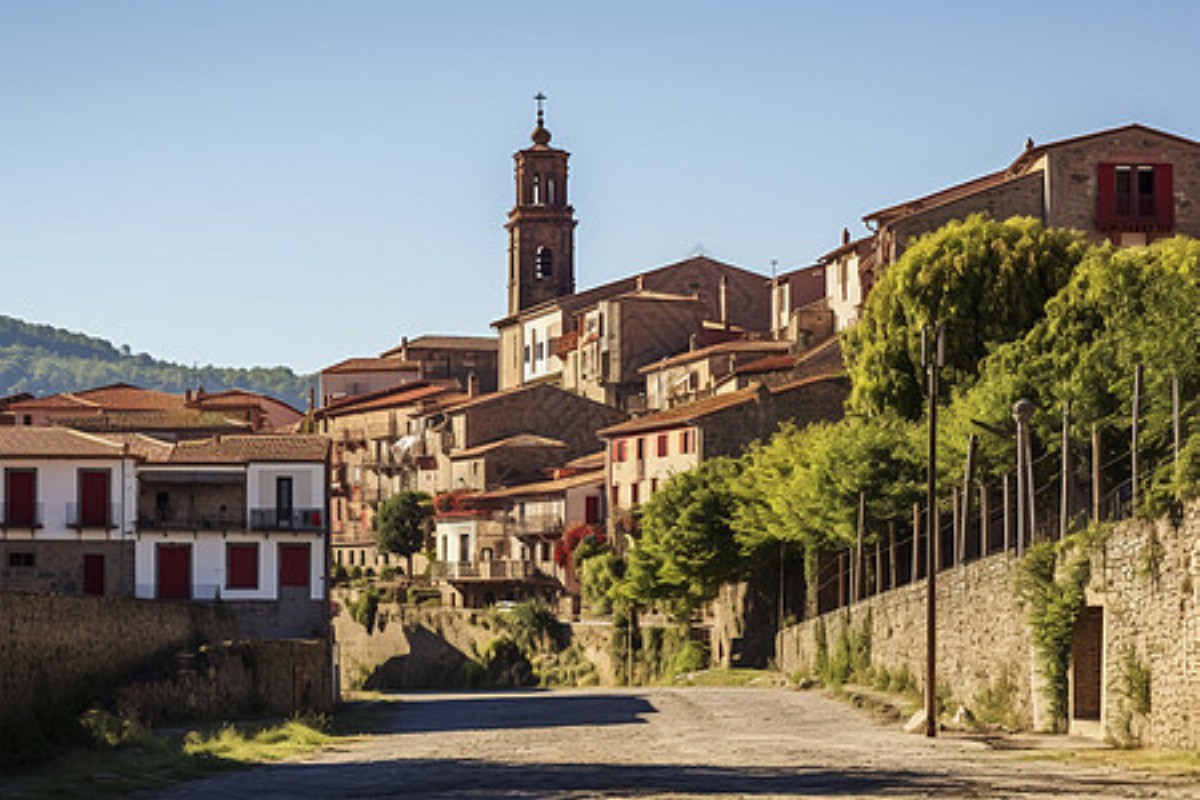
Catalonia Region: Fusion of Stone and Modernity
Catalonian town architecture displays different characteristics. Buildings here often use locally produced sandstone and granite, with colors leaning toward beige or gray. Roofs are typically gentle red-tiled slopes. Particularly noteworthy is that this region’s architecture maintains traditional style while incorporating more modern elements, reflecting the open and inclusive cultural character of Catalans. This architectural evolution connects beautifully with Toledo blacksmith crafts and Spanish town religious architecture.
Regional Architecture Materials Comparison
| Region | Main Materials | Wall Colors | Roof Types |
|---|
| Andalusia | Limestone, mud brick | White | Red clay tile slopes |
| Catalonia | Sandstone, granite | Beige, gray | Red tile gentle slopes |
| Galicia | Granite | Gray, natural stone | Slate tiles |
| Basque Region | Wood, stone | White with dark wood frames | Steep red tiles |
Galicia Region: Solid Stone Aesthetics
Due to the humid climate in northern Galicia, local architecture extensively uses granite. These stone houses typically maintain the original color of stone, presenting honest gray tones. Roofs mostly use slate tiles, effectively resisting local rainfall. Unlike the ornate southern styles, Galician architecture emphasizes practicality and durability, reflecting the pragmatic character of local people.
Basque Region: Unique Wood-Stone Combination
Basque architecture is quite distinctive, frequently featuring white walls combined with dark wooden beams. This half-timber construction shows both French architectural influence while maintaining local characteristics. Roofs have steep slopes, usually covered with red clay tiles, effectively handling the region’s rainy climate conditions.
By comparing these different regional architectural styles, we can see how Spanish town architecture cleverly adapts to respective geographical environments, climate conditions, and cultural traditions. Each style carries deep historical heritage while continuously evolving and developing in the modernization process.
