As one of Spain’s most representative musical works, the trumpet section in the Bullfighter’s March carries profound cultural significance and exquisite performance artistry. This classic piece created by Bizet, though composed by a French composer, perfectly interprets the essence of Spanish bullfighting culture.
The Central Role of Trumpet in the Bullfighter’s March
The trumpet, as the representative of brass instruments alongside the Bullfighter’s March guitar, plays a crucial role in the Bullfighter’s March. Its bright and penetrating tone perfectly matches the tense and exciting atmosphere of the bullring. The trumpet’s soaring notes symbolize the bullfighter’s fearless courage, with each note seemingly narrating the heroic legends of the arena.
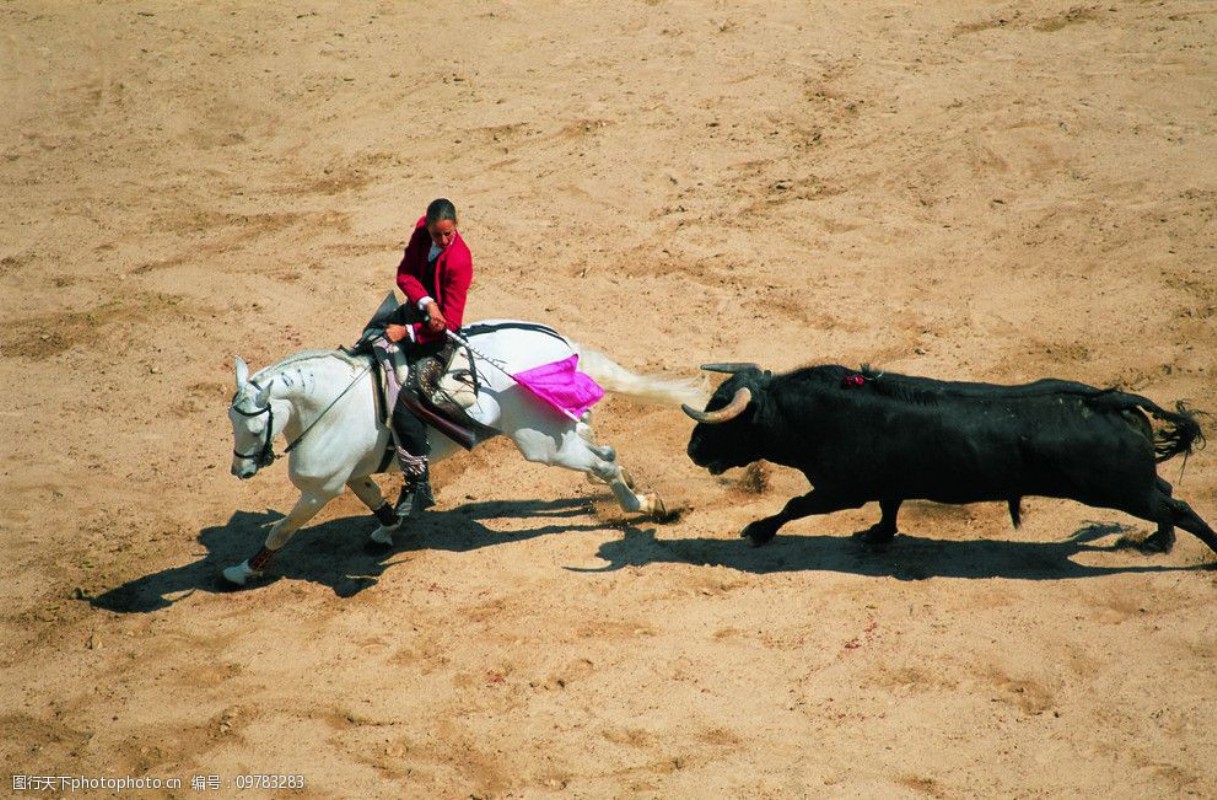
In terms of performance technique, this piece places considerable demands on trumpet players. From range control to breath management, from rhythm mastery to emotional expression, every detail requires precise execution. Particularly in handling the high register, performers need solid fundamentals and rich stage experience.
Musical Structure and Performance Key Points Analysis
The trumpet section of the Bullfighter’s March can be divided into several distinct passages, each with its unique performance characteristics:
| Section | Characteristics | Performance Requirements |
|---|
| Opening | Solemn and dignified | Full tone, stable rhythm |
| Theme | Passionate and fervent | Clear high notes, dynamic contrast |
| Variation | Delicate and lyrical | Gentle tone, rich expression |
| Finale | Brilliant and magnificent | Skilled technique, imposing presence |
In actual performance, trumpet players must adjust their playing style according to the characteristics of different sections. The opening section requires a thick and powerful tone to establish a solemn foundation for the entire piece. When reaching the theme section, performers need to showcase the passionate and unrestrained spirit characteristic of Spanish folk music.
Cultural Background and Artistic Value
The Bullfighter’s March is not merely a musical composition but an important carrier of Spanish culture. The use of trumpet within it profoundly reflects the Spanish people’s reverence for courage and honor. Although modern society holds controversial views on bullfighting, the artistic value of this musical work remains unquestionable.
For music enthusiasts learning trumpet through the Bullfighter’s March piano arrangement, the Bullfighter’s March serves as an invaluable practice piece. It not only enhances performance skills but also cultivates understanding and mastery of Spanish musical style. Through repeated practice and in-depth study, performers can better comprehend the spiritual core of this classic work and display true artistic charm on stage.
