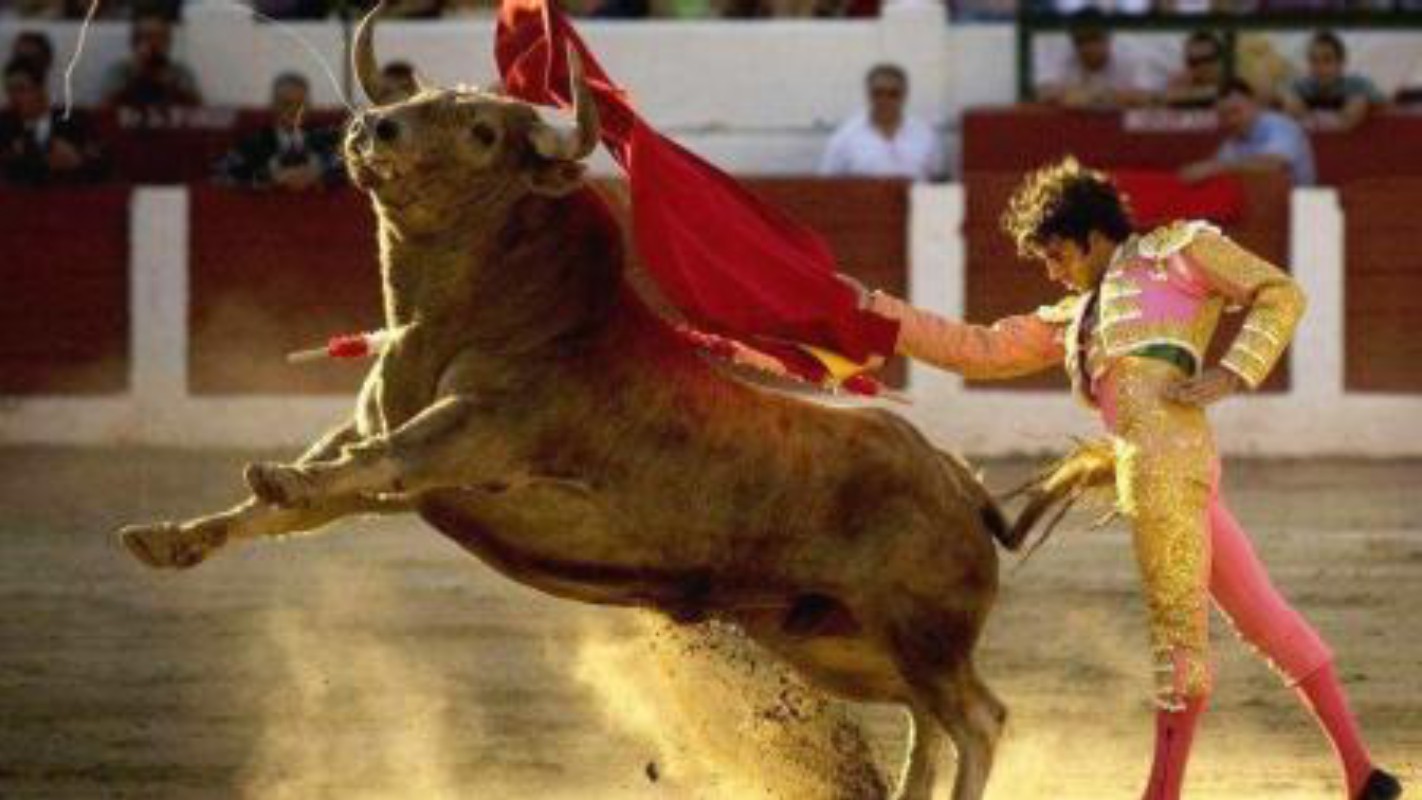
Just returned from the bullring in Seville, and that heart-stirring music still echoes in my ears. When it comes to Spain’s most representative musical works, the Bullfighter’s March is undoubtedly an unmissable classic. This musical masterpiece created by Bizet, though composed by a French musician, perfectly captures the passion and exuberance of Spain.
The Birth Background of the Music
This march originates from the Toreador Song in the opera “Carmen,” composed in 1875. Although Bizet was French, his understanding of Spanish culture was remarkable. The music incorporates typical Spanish rhythms and melodic characteristics, especially that uplifting momentum, perfectly showcasing the bravery and confidence of bullfighters facing danger. Parisian audiences at the time were deeply attracted by this exotic charm, and since then this piece has become the musical calling card of Spanish bullfighting and Spanish culture.
In bullrings across Spain, this march is almost a mandatory piece. Whenever the music plays, the entire arena’s atmosphere is instantly ignited. Audiences spontaneously clap along with the beat, and that collective passion is absolutely electrifying.
Musical Structure and Characteristic Analysis
From a musical technique perspective, the Bullfighter’s March adopts a typical march structure with a bright and powerful beat. The main melody is simple yet infectious, while the chorus section pushes Spanish passion to its climax. The use of brass instruments is particularly outstanding, creating a magnificent and mighty atmosphere.
| Musical Elements | Characteristic Description |
|---|
| Beat | 2/4 time, bright and powerful |
| Tonality | Primarily major key, full of sunshine |
| Instrumentation | Prominent brass, rich percussion |
| Melodic Features | Simple and memorable, rich in Spanish flavor |
This musical structure is not only suitable for performance in bullrings but also frequently appears in various celebratory activities. Whether it’s the San Fermín Festival or Seville’s April Fair, you can hear this familiar melody.
Modern Interpretation and Heritage
In today’s Spain, the Bullfighter’s March has transcended the simple category of bullring music. Many modern musicians have rearranged it, with some bullfighter march guitar versions even incorporating electronic elements, but the most popular versions still maintain the traditional style. In concert halls in Madrid and Barcelona, you can often hear symphony orchestras performing the complete version.
This piece has also become commonly used background music for Spanish sporting events. Whenever the Spanish national football team achieves important victories, fans spontaneously hum this melody. It has become a cultural symbol representing the courage and determination of Spaniards when facing challenges, much like the bullfighter march piano interpretations that carry deep cultural meaning.
For those of us living in Spain, the Bullfighter’s March is not just a musical work, but an emotional anchor. Whenever we hear this familiar melody in foreign lands, a warm feeling always surges in our hearts, as if we’ve returned to that sun-filled and passionate Iberian Peninsula.
