Spanish Wine Authenticity Guide: How to Distinguish Real from Fake
After living in Spain for several years, I’ve noticed that many friends enjoy collecting or tasting local wines. However, there are quite a few counterfeit wines in the market, especially from well-known wine regions. Today I’m sharing some identification methods I’ve summarized, hoping they’ll be helpful to everyone.
Key Points for Label Identification
First, examine the wine label - this is the most intuitive judgment method. Authentic Spanish wines have high-quality label printing with clear text and saturated colors. Counterfeit wines often have rough printing, blurry fonts, and dull colors. Additionally, authentic labels have strict format requirements for regional designations, and fake wines frequently make errors in these details.
Bottle and Seal Inspection
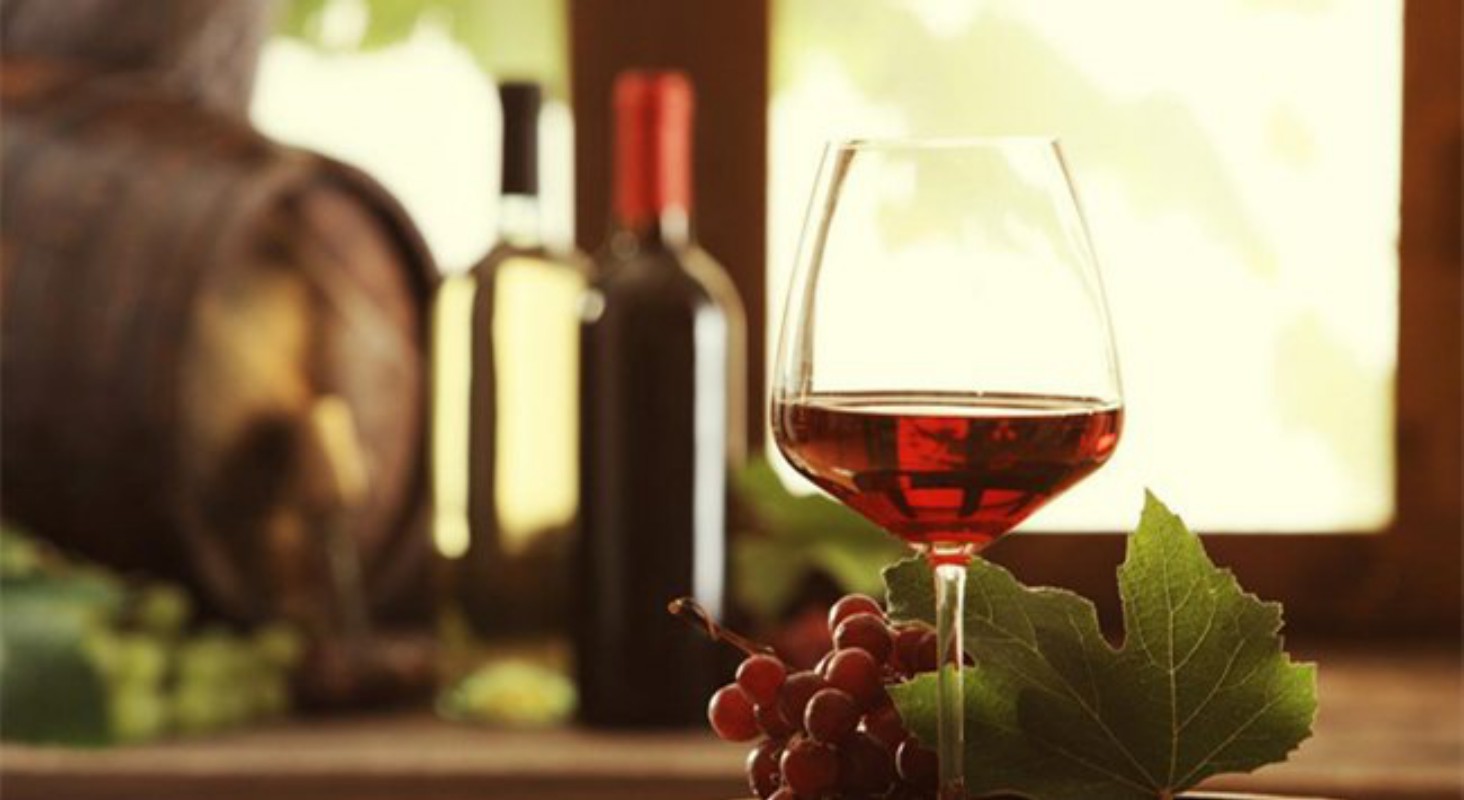
Bottle inspection is equally important. Authentic Spanish wines use glass bottles with uniform thickness and distinctive concave bottom designs. Pay special attention to the wax seal or foil at the bottle neck - authentic wines have precise sealing craftsmanship, while fake wines often have rough seals, sometimes with bubbles or cracks. For screw-cap wines, check the cap material and printing quality.
| Inspection Item | Authentic Features | Counterfeit Features |
|---|
| Bottle Glass | Uniform thickness, high transparency | Uneven thickness, with bubbles |
| Bottom Design | Deep and regular concave | Shallow or no concave |
| Sealing Craft | Precise without flaws | Rough with cracks |
Price and Channel Assessment
Price is an important reference indicator. If a [Spanish wine authenticity guide] shows a famous Spanish wine priced significantly below market average, be extra cautious. The saying ‘you get what you pay for’ is particularly applicable in the wine market. It’s recommended to purchase from legitimate wine specialty stores, large supermarkets, or reputable online platforms.
Tasting Experience Differences
If conditions allow for wine authenticity identification through tasting, this can be helpful. Authentic Spanish wines have rich flavor layers, balanced tannins, and distinctive regional characteristics. Fake wines often have monotonous taste profiles, excessive alcohol flavor or off-odors. Of course, this method requires some wine tasting experience, and beginners might find wine identification challenging to distinguish.
When purchasing Spanish wines, consider multiple factors comprehensively and don’t be tempted by cheap prices. If you have other identification experiences, please feel free to share and discuss in the comments.
