How to Identify Authentic Spanish Wine: Practical Authentication Tips
As a wine enthusiast who has lived in Spain for seven years, I want to share some practical methods for identifying authentic Spanish wines. Recently, I’ve noticed numerous counterfeit Spanish wines appearing on the market, particularly imitations of well-known brands that are ridiculously cheap but vastly inferior in quality.
Wine Label Identification is Key
Authentic Spanish wine labels are expertly crafted, with clear fonts, vibrant colors that don’t fade easily. Counterfeit wines often have roughly printed labels with blurred fonts, sometimes even containing spelling errors. Pay special attention to DO certification marks - authentic wine labels have consistently positioned DO marks with standardized fonts. Renowned regions like Rioja and Ribera del Duero require particularly careful examination of their [Spanish wine authenticity guide] certification marks.
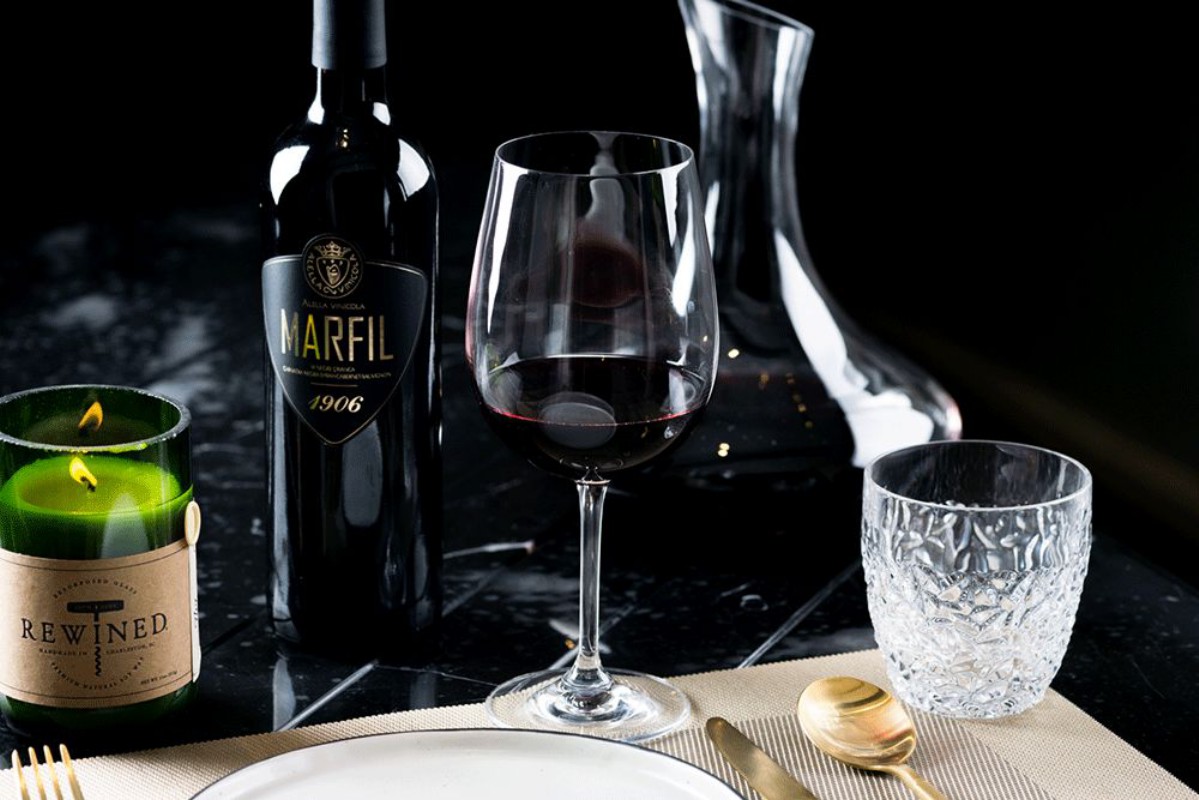
Bottle Details Matter
Authentic Spanish wine bottles feature exquisite craftsmanship with high-quality glass and appropriately deep punt depth. Counterfeit bottles are often lighter with poor glass quality and crude neck finishing. Cork quality is also an important criterion - authentic wines use dense, elastic corks, while counterfeits use noticeably inferior cork quality.
Price and Channel Analysis
| Purchase Channel | Risk Level | Recommendation |
|---|
| Large Supermarkets | Low | Preferred purchasing location |
| Professional Wine Merchants | Low | Quality guaranteed |
| Online Platforms | Medium | Choose sellers carefully |
| Street Vendors | High | Not recommended |
Price is the most intuitive criterion. If a Rioja Reserva that should cost 20-30 euros is priced at only 5-8 euros, you can almost certainly determine it’s counterfeit. Bargain hunting often leads to disappointment. Check this wine authenticity differentiation guide for more details.
Tasting Experience Differences
Genuine Spanish wines offer rich layered flavors, balanced tannin structure, and long-lasting finish. Counterfeits typically have thin taste profiles with prominent alcohol flavors, sometimes even harsh chemical odors. Particularly with aged wines, authentic bottles develop complex aromatics that counterfeits struggle to replicate.
I hope this experience helps everyone. When buying wine in Spain, I recommend choosing reputable merchants - while prices may be slightly higher as shown in this wine identification resource, quality is guaranteed. Feel free to discuss and exchange ideas on any questions.
