Spanish Wine Authentication: A Practical Guide for Identifying Genuine Products
After living in Spain for several years, I’ve discovered that while the wine market here is relatively well-regulated, you can occasionally encounter counterfeit or poor-quality products. As a wine enthusiast, I’ve compiled some practical identification methods that I hope will help everyone avoid these pitfalls.
Essential Label Identification Points
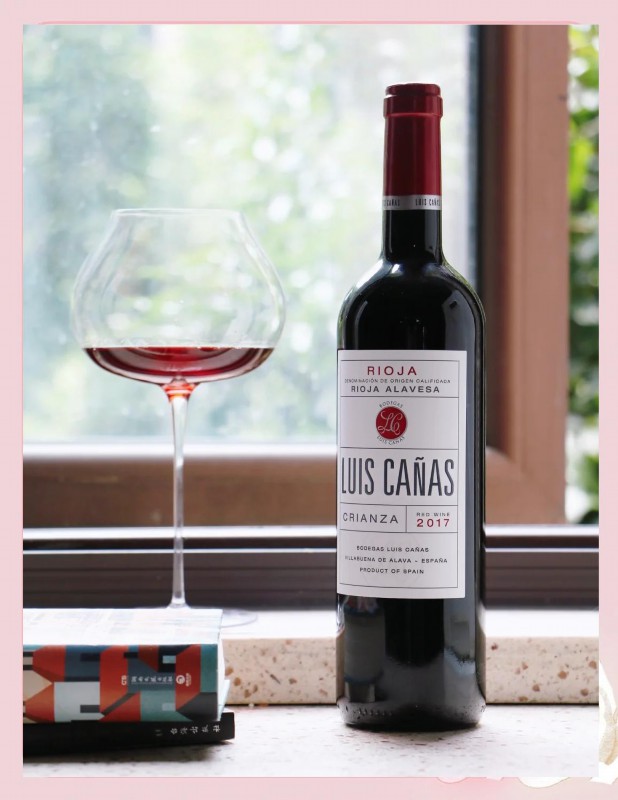
First, you need to learn how to read wine labels - this is the most direct way for [Spanish wine authenticity verification]. Authentic Spanish wine labels typically feature high-quality printing with clear fonts and vibrant colors. Counterfeit wine labels often have blurry printing, faded colors, and may even contain spelling errors. Pay special attention to the DO certification mark - this is Spain’s official designation of origin certification, which counterfeiters find very difficult to replicate accurately.
Bottle and Cork Inspection
The weight and texture of the bottle can also reveal valuable information. Authentic wines typically use thicker, heavier glass bottles with smooth textures. The cork is even more crucial - quality wines feature corks with good elasticity and winery information printed on the surface, while counterfeit wines often have rough-textured corks with unclear or missing information.
Pricing and Purchase Channels
Here are typical price ranges for common Spanish wines:
| Wine Type | Price Range (€) | Recommended Purchase Locations |
|---|
| Daily Table Wine | 3-8 | Supermarkets, Wine merchants |
| Mid-range Wine | 8-25 | Specialty wine shops, El Corte Inglés |
| Premium Wine | 25-100+ | Winery direct sales, High-end merchants |
If you see authentic wine differentiation famous brands priced significantly below market value at street stalls or suspicious shops, they’re most likely counterfeit. I recommend purchasing from reputable supermarkets like Mercadona, Carrefour, or specialized wine merchants.
Post-Opening Assessment
After opening, you can judge authenticity by observing the wine’s color and aroma. The online claims about swirling glasses to check wine legs aren’t very reliable - what’s more important is whether the aroma is pure. Counterfeit wines often have sharp chemical odors or unnaturally intense fragrances. Authentic wines should have rich, well-balanced aromatic layers.
While the probability of encountering counterfeit wine in Spain is relatively low, I still recommend choosing reliable purchase channels and learning some basic wine authenticity identification techniques. Feel free to share any questions for discussion and exchange!
