As a wine enthusiast who has lived in Spain for many years, I want to share some practical experience about Spanish wine authentication. Recently, a friend bought several bottles of supposedly high-end Rioja wines from an unfamiliar source, but something felt off when tasting them. This made me think about systematically organizing Spain’s wine authentication resources.
Official Certification Agencies
Spain has several authoritative wine certification institutions, with the most important being the regulatory councils of various DO regions. For example, Rioja’s Consejo Regulador DOCa Rioja, and [Spanish wine authenticity guide] along with various regional councils in Catalonia. These institutions not only oversee quality control but also provide authentication services. You can check specific batch information through their official websites or contact them directly for consultation.
The food quality supervision department under Spain’s Ministry of Agriculture also handles wine quality oversight responsibilities. If you encounter suspected counterfeit products, you can distinguish authentic wine by reporting to them. However, honestly speaking, this channel processes cases slowly and is more suitable for handling large-scale counterfeiting cases.
Professional Authentication Agency Comparison
| Agency Type | Service Scope | Fee Level | Credibility |
|---|
| DO Regional Councils | Regional wines | Lower | Highest |
| Private Authentication Companies | All categories | Higher | Medium |
| Wine Merchant Associations | Member products | Medium | Higher |
| University Laboratories | Component analysis | Very high | Highest |
I personally recommend first contacting the relevant DO regional councils, as their services are usually professional and reasonably priced. Madrid and Barcelona also have some private wine authentication companies that mainly serve high-end collectors, but their fees are relatively high.
Self-Assessment Key Points
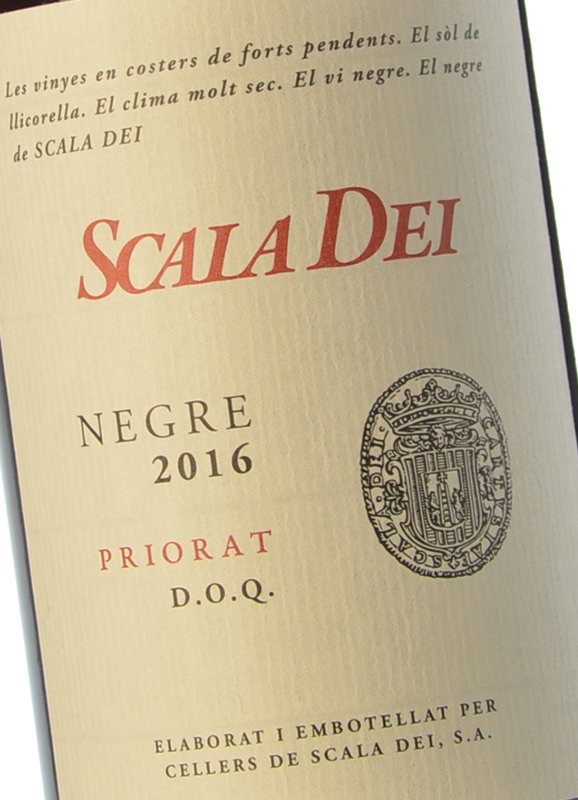
Besides seeking professional help, we can also master some basic identification methods. First, examine the packaging - authentic Spanish wine labels have high printing quality with clear text and rich colors. Pay special attention to the DO marking’s position and style, as counterfeits often give themselves away here.
The bottle’s weight and feel are also important. Traditional Spanish wineries use relatively thick glass bottles with pronounced punts at the bottom. Cork quality is another judgment criterion - quality wines use corks with good elasticity, smooth surfaces, and usually bear the winery’s marking.
Tasting is the most direct judgment method. Authentic Spanish wines have unique terroir characteristics, such as Rioja’s oak barrel aroma or Ribera del Duero’s intense fruit notes. If the wine authentication method taste is too bland or has off-flavors, it’s likely a problematic product.
I hope this information helps everyone. If any friends have encountered similar situations, please share your experiences. After all, enjoying fine wine in Spain is one of life’s great pleasures, and none of us want counterfeits to ruin our good mood.
