Recently at a wine specialty store in Madrid, I came across a bottle labeled as French Bordeaux wine with an enticingly low price, but upon closer inspection, I noticed several red flags. As a wine enthusiast who has lived in Spain for many years, I’d like to share some experience on how to distinguish authentic from fake imported wines.
Label and Packaging Details Are Crucial
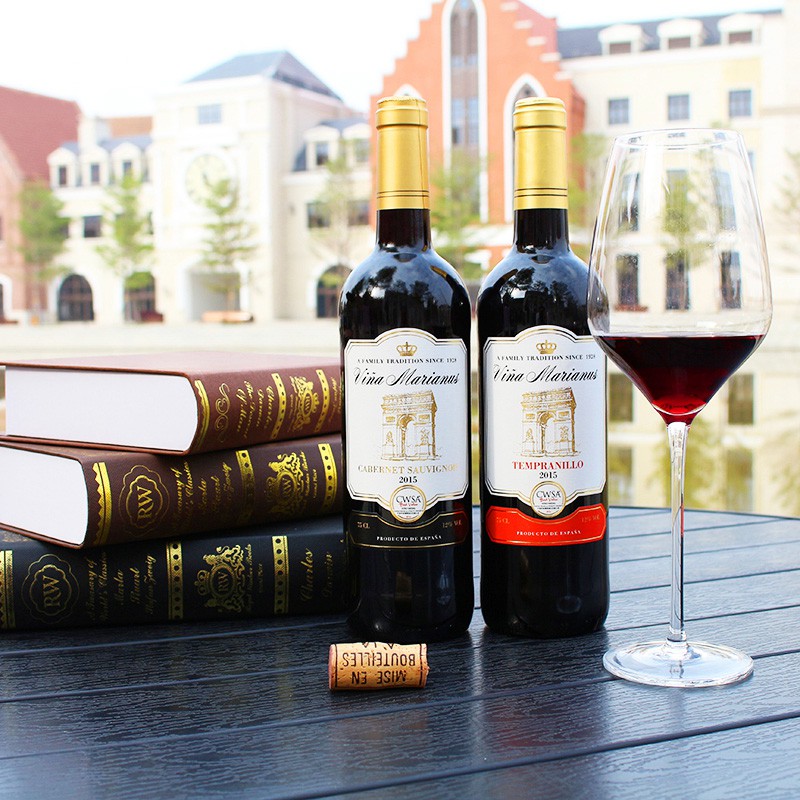
Authentic imported wines feature high-quality labels with clear fonts and superior printing quality. Counterfeit wines often give themselves away in these details: blurry fonts, color discrepancies, and rough paper quality. Pay special attention to appellation information on wine labels, such as France’s AOC designation or Italy’s DOC markings, which have strict regulations. Genuine imported wine labels will include importer information and barcodes, and barcode prefixes typically correspond to the country of origin.
Price Reasonableness Assessment
While you can find good value imported wines in Spain, be cautious if [Spanish wine authenticity identification] prices seem unreasonably low. I’ve compiled a wine authenticity distinction guide with approximate price references:
| Appellation Level | Reasonable Price Range | Notes |
|---|
| French Table Wine | €8-15 | Daily drinking level |
| Italian DOC | €12-25 | Medium quality |
| Spanish DO | €10-20 | Local quality appellations |
| French AOC | €20-50+ | High quality guarantee |
Purchase Channels Matter
Choose reputable wine specialty stores or large supermarkets whenever possible, avoiding small shops or online platforms selling wines of questionable origin. Large retail chains like El Corte Inglés and Carrefour typically have strict sourcing channels, making them relatively more reliable. Additionally, many wineries have official distributors in Spain, which can be verified through official channels.
Tasting Criteria for Assessment
Even if the appearance seems fine, tasting can still reveal issues. Authentic wine offers complex flavor profiles and won’t have harsh chemical odors. Counterfeit wines often have one-dimensional taste or even off-flavors. For well-known brands, try the authentic version from reliable sources first to establish a wine authenticity identification comparison standard.
Overall, maintaining rationality when buying imported wine in Spain is important. While you can indeed find excellent imported wines here, the principle that ‘you get what you pay for’ still applies. I recommend beginners start with well-known brands and gradually develop their judgment skills. I hope this experience helps everyone avoid counterfeit wines and enjoy truly quality wine experiences.
