Recently, I bought several bottles of Rioja at a small winery in Madrid, but when I got home, I noticed the taste was somewhat strange with these [Spanish wine authenticity guide], which made me realize I might have purchased counterfeit wine. As a wine enthusiast who has lived in Spain for several years, I’d like to share some practical experience on identifying authentic wine.
Observe Label and Packaging Details
First, carefully examine the printing quality of the wine label. Authentic Spanish wines have clear printing, neat fonts, and vibrant colors. Counterfeit wines often have blurry printing, pale colors, and sometimes even spelling errors. Pay special attention to the DO certification mark - genuine wines have crisp, clear DO logos, while fakes may show jagged edges or unclear markings.
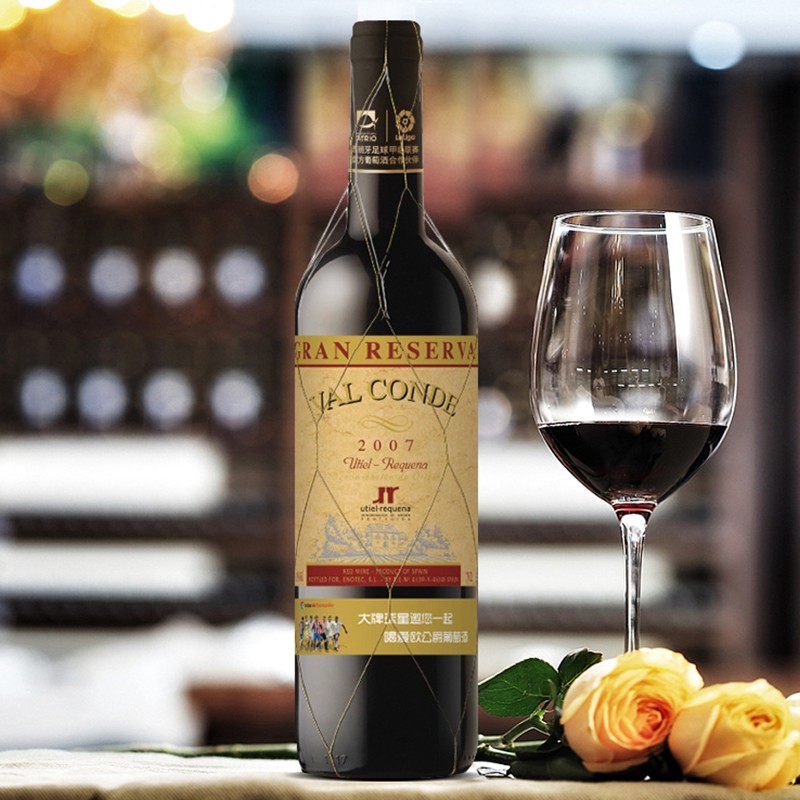
The weight of the bottle is also an important indicator. Authentic wines use thicker glass bottles that feel substantial in hand, while counterfeit wines typically use thinner glass to cut costs. Additionally, the depth of the punt (bottom indentation) varies - quality wines usually have deeper punts, which help settle sediments.
Check Cork Quality
After opening, the cork provides important clues for authentication. Genuine Spanish wines use corks with dense texture, good elasticity, and smooth surfaces. When you smell the cork, it should have a subtle woody aroma, not a harsh chemical odor. If the cork emits strange smells or has an overly loose texture, it’s likely counterfeit wine.
| Authentic Wine Cork Features | Counterfeit Wine Cork Features |
|---|
| Dense texture, good elasticity | Loose texture, brittle |
| Subtle woody aroma | Chemical odors |
| Smooth surface | Rough surface |
| Contains winery information | Blurred or missing information |
Taste the Wine’s Flavor and Aroma
When pouring, observe the wine’s color and clarity. Authentic wines have natural colors and good transparency, while counterfeits may have wine authenticity distinction overly bright or cloudy colors. After swirling the glass, observe how the wine clings to the glass walls - quality wines form uniform wine legs that flow down slowly.
When tasting, authentic wines have complex flavor layers with distinct fruit and oak barrel aromas and a long finish. Counterfeit wines often have one-dimensional flavors and may have overpowering alcohol notes or artificial flavoring tastes. Spanish Tempranillo grapes, in particular, should have characteristic cherry and plum aromas.
Purchase Channel Recommendations
Finally, I recommend choosing reputable wine merchants for your purchases. In Spain, you can choose large chain supermarkets like El Corte Inglés, Carrefour, or specialized wine shops. Avoid roadside stalls or places with unusually cheap prices. Remember this saying: you get what you pay for, especially in the wine field.
I hope these experiences help everyone avoid purchasing counterfeit wine and enjoy authentic Spanish wine culture. If you have other wine authenticity identification tips for distinguishing authenticity, please share them in the comments below!
