As a wine enthusiast who has lived in Spain for many years, friends often ask me how to distinguish authentic Spanish wines from counterfeits. After recent visits to wine specialty stores and supermarkets in Madrid, I discovered that the market indeed contains many products of varying quality. Today I’ll share some practical [Spanish wine authentication] identification techniques.
Official Certification Labels Are Key
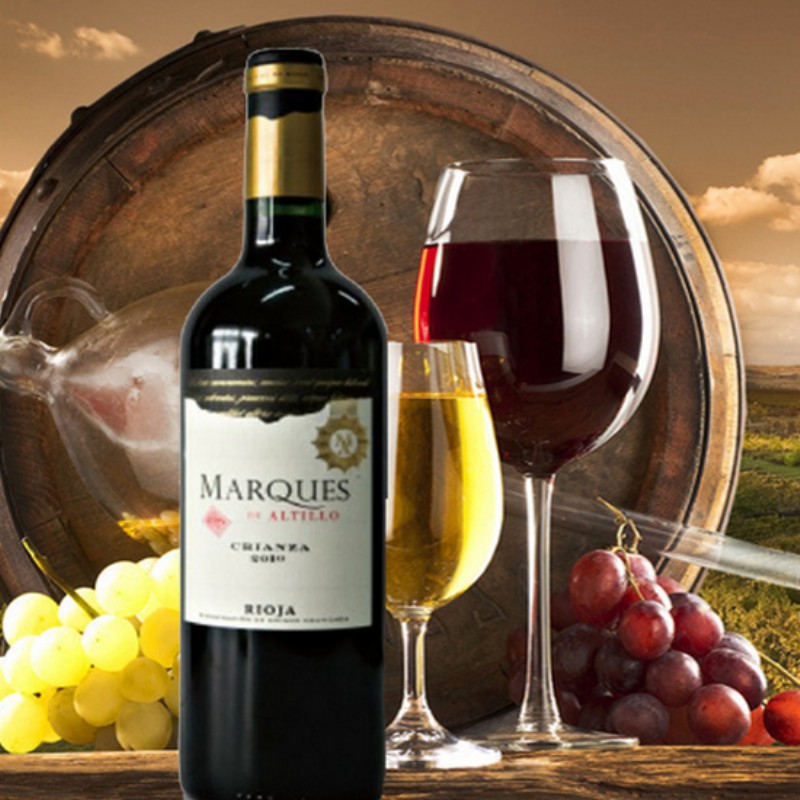
First, focus on the DOC certification label on the bottle. This is Spain’s official Designation of Origin certification, similar to France’s AOC system. Authentic Spanish wines clearly indicate regional information on their labels, such as famous regions like Rioja or Ribera del Duero. For effective wine authenticity distinction, note that counterfeit wines often have obvious omissions or use vague geographical identifiers.
Reasonable Price-Quality Correlation
Based on my observations, entry-level red wines in Spanish local supermarkets typically range from 3-8 euros, medium-quality wines from 10-25 euros, and premium wines start at 30 euros and above. When applying wine authenticity identification techniques, if you see products with prices significantly deviating from these ranges, especially those claiming to be from renowned regions yet unusually cheap, extra caution is needed.
| Price Range | Quality Level | Typical Regions |
|---|
| 3-8 euros | Entry-level | La Mancha, Valencia |
| 10-25 euros | Medium quality | Rioja, Ribera del Duero |
| 30+ euros | Premium | Priorat, Bierzo |
Label Design and Print Quality
Authentic Spanish wine labels typically feature exquisite printing with clear text and vibrant colors. Counterfeit wines often exhibit blurry printing, color deviations, and text errors. Pay special attention to alcohol content indicators and vintage years, which are clearly marked on genuine wines.
Purchasing Channel Recommendations
I recommend choosing reputable wine specialty stores or major chain supermarkets like El Corte Inglés or Carrefour. These channels have relatively regulated supply chains with lower probability of counterfeit products. Avoid small convenience stores or online shops with unclear sources, especially those offering products at prices significantly below market rates.
