Recently, I discovered some unusually cheap Spanish wines at a supermarket in Madrid, and after careful examination, I found they were actually counterfeit. As someone who has lived in Spain for five years, today I’m sharing some practical wine authentication methods.
Visual Label Inspection Method
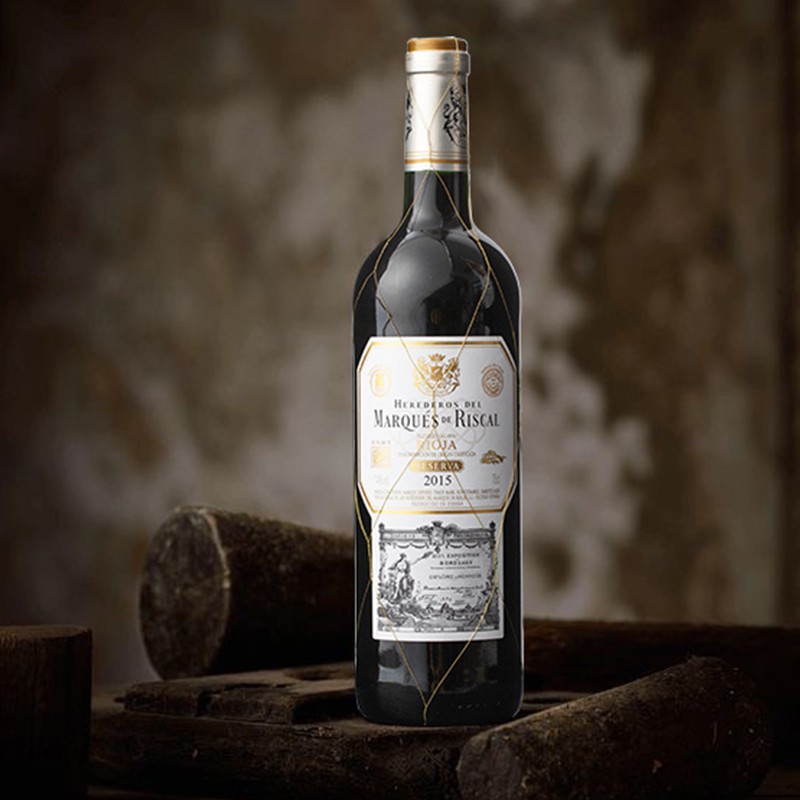
First, carefully observe the bottle’s appearance and labels. Authentic Spanish wine labels feature exquisite printing and clear fonts, never appearing blurry or containing typos. Pay special attention to the DO certification, which is an important quality guarantee for Spanish wine authentication. Counterfeit wines often have roughly printed labels with uneven colors, and some wine authentication institutions even get basic origin information wrong.
Price and Channel Assessment
There’s no such thing as a free lunch, and similarly, there’s no inexplicably cheap good wine. If you see famous brand wines at street vendors priced at half the supermarket price, you can almost certainly assume they’re counterfeit. I recommend purchasing from legitimate retailers like Carrefour, El Corte Inglés, or specialized wine merchants. While prices may be slightly higher, quality is guaranteed.
| Purchase Channel | Reliability | Average Price |
|---|
| Large Supermarkets | Very High | Normal Market Price |
| Professional Wine Merchants | Highest | Slightly Above Market Price |
| Street Vendors | Low | Significantly Below Market |
| Online Platforms | Medium | Varies Significantly |
Sensory Examination After Opening
After opening the bottle, aroma assessment is the first step. Authentic Spanish wines have rich and complex aromas with distinct layers of fruit and floral scents. Counterfeit wines often have monotonous aromas or even harsh alcohol odors. When tasting, pay attention to the balance - genuine wines have harmonious acidity, sweetness, and tannins, while fake wines typically show obvious imbalance.
Cork is Also a Key Clue
Don’t overlook cork inspection! Authentic Spanish wines use high-quality corks with smooth surfaces, usually bearing winery markings. Many people throw away the cork, but it’s actually important authentication evidence. Counterfeit wines often have rough corks or even use inferior synthetic stoppers.
I hope these experiences help everyone enjoy authentic wines happily in Spain while avoiding scams. If you have other identification techniques, please feel free to share them in the comments below!
