Complete Guide to Spanish Wine Digital Queries
As a wine enthusiast who has lived in Spain for many years, I often encounter friends asking how to query specific wine information. Today I’ll share the Spanish wine digital query methods I’ve summarized, hoping to be helpful to everyone.
Understanding Digital Codes on Wine Labels
Spanish wine labels typically contain various digital information, with the most important being the DOC certification code. This code usually appears as a combination of numbers and letters, such as “ES-ECO-019-CT” format. Through this code, we can query wine appellation certification information on the official Spanish Ministry of Agriculture website.
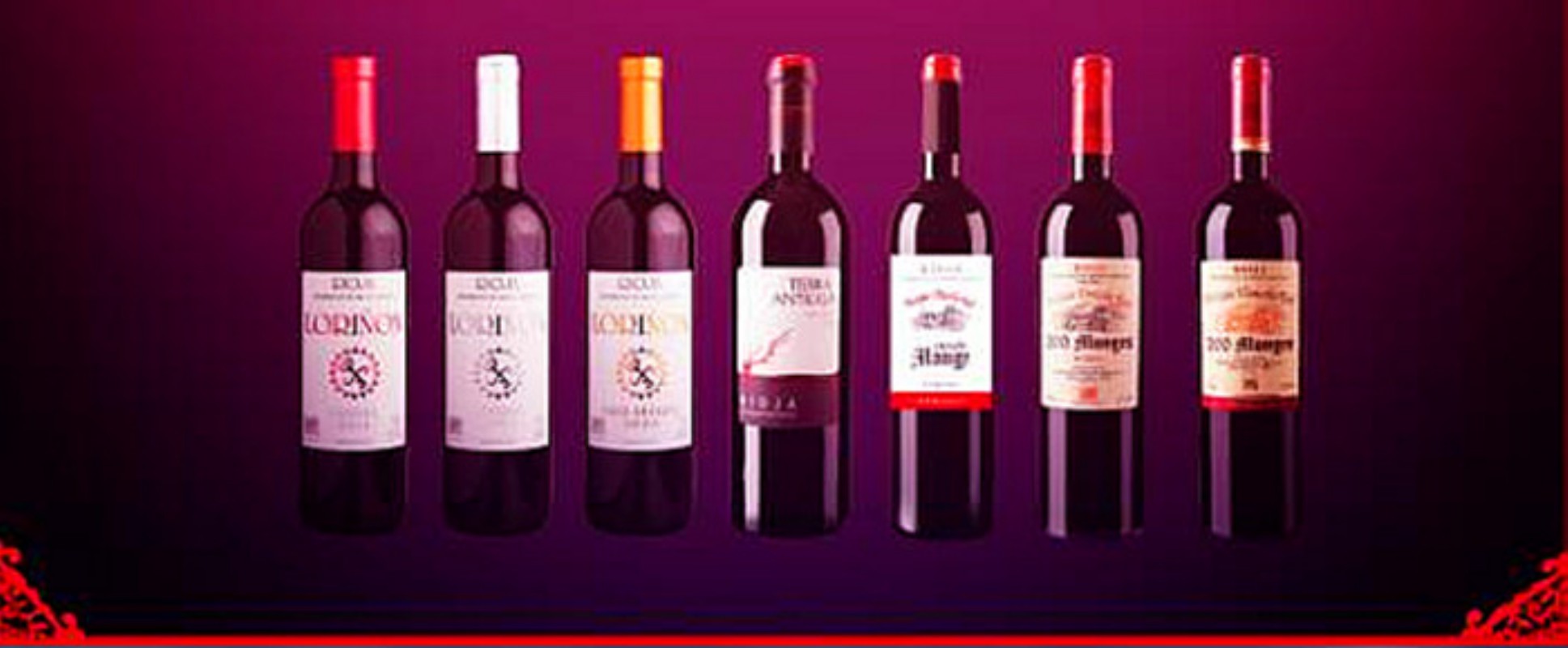
The numbers at the bottom of wine bottles are also important. These numbers usually contain production batch and bottling date information. Generally speaking, four digits represent the year, while more complex number combinations include month and batch information.
Main Query Channels and Methods
Official query channels are the most reliable approach. The Spanish Wine and Spirits Federation provides online query services - simply input the registration number from the wine label to obtain detailed information. Additionally, each DO region has its own official website providing query services for wineries and wines within the region.
| Query Type | Website | Information Content |
|---|
| DOC Certification | Ministry of Agriculture Official Site | Certification status, regional information |
| Winery Information | FEV Official Site | Winery details for Spanish wine digits, product catalog |
| Vintage Query | Regional Official Sites | Vintage ratings, climate data for digital code wines |
Mobile applications are also excellent choices. Apps like “Vivino” and “Wine Searcher” support wine label scanning for identification, quickly providing basic wine information, ratings and price comparisons. These apps’ databases contain extensive Spanish wine information.
Practical Query Tips to Share
During the query process, I’ve discovered several particularly useful techniques. First is paying attention to the “Cosecha” marking on wine labels, which indicates the vintage year, usually followed by a four-digit year. Second, the numbers after “Embotellado por” are the bottler’s registration number, which can be used to query bottling facility information.
Some people think all numbers are important, but actually the most crucial are the DOC code, vintage and winery registration number. Mastering these three elements basically allows you to query the main wine information.
For collectible wines, I recommend recording all relevant numbers, including bottle numbers. This information becomes very useful when reselling or for insurance purposes. Many Spanish wineries now also use QR codes that, when scanned, directly link to official pages providing the most detailed product information.
