Decoding the Number Mysteries on Spanish Wine Labels
In Spanish supermarkets or wineries, facing the dazzling array of red wines, have you ever been confused by those mysterious numbers on the bottles? As a wine enthusiast who has lived in Spain for many years, let me share the secrets behind these numbers.
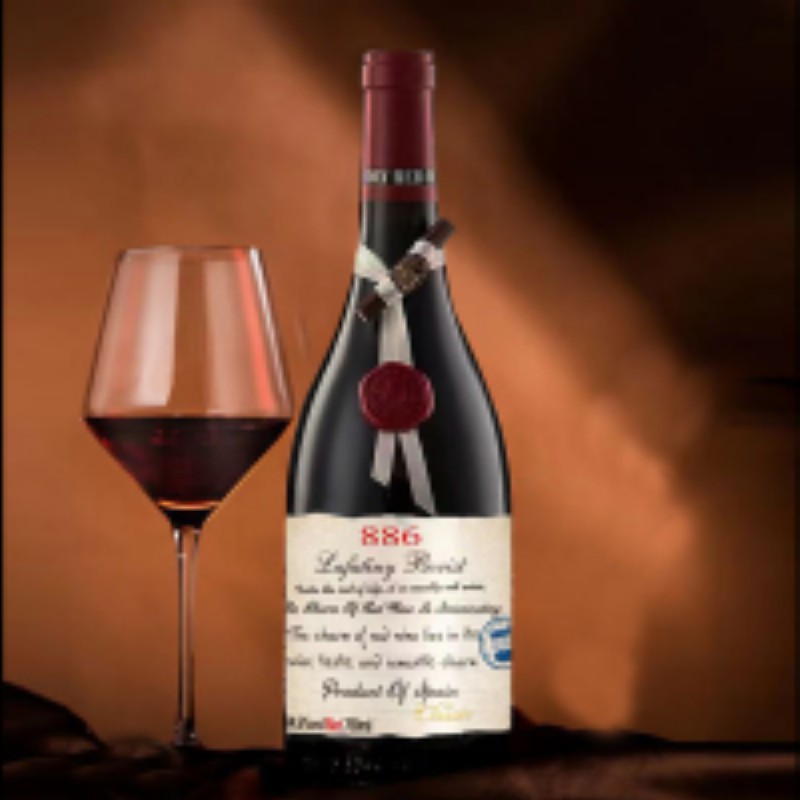
Vintage Numbers: The Grape’s Birth Certificate
The most prominent is usually a four-digit year, such as 2019, 2020, etc. This number represents the grape harvest year, not the bottling time. In Spain, vintage has a huge impact on red wine quality, as climate variations directly affect grape ripeness and flavor. Generally speaking, 2016 and 2018 from the Rioja region are considered excellent vintages in recent years.
Note that not all wines will indicate a vintage. If there’s no vintage identification when you check wine numbers, it’s usually wine made from grapes of different years blended together, with relatively affordable prices.
Alcohol Content Numbers: Key to Determining Taste
You’ll see markings like “13.5% vol” or “14° alc” on the label. Spanish red wines typically have alcohol content between 12-15%. Higher alcohol content means fuller body and more intense flavor. Beginners are advised to choose wines with 12-13% alcohol for a relatively mild taste.
| Alcohol Range | Taste Profile | Suitable Occasions |
|---|
| 12-13% | Fresh and easy-drinking | Daily dining |
| 13.5-14% | Balanced and moderate | Gatherings and celebrations |
| 14.5-15% | Rich and full-bodied | Special occasions |
Regional Codes: Symbols of Identity
DO is usually followed by numerical codes, which are Spain’s official certified designations of origin. For example, Rioja’s code, Ribera del Duero’s code, etc. Although these numbers seem complex, they represent strict quality control standards.
Batch and Bottling Information
On the bottle body or back label, there may also be batch numbers for numbered red wines, usually a combination of numbers and letters. This information isn’t very meaningful for ordinary consumers, but for collectors or professionals, it can trace the specific bottling time and batch information.
Don’t be intimidated by these complex numbers - once you understand the basic patterns, wine selection becomes much simpler. Next time you go to the supermarket to buy wine, take a closer look at these numbers, and you’re sure to make new discoveries!
