Spanish Numbered Wines: An Undervalued Collection Field
As a wine enthusiast who has lived in Spain for over a decade, I’ve discovered that many friends know very little about Spanish numbered wines. These wines typically feature specific numbers as identifiers, representing special vintages, limited editions, or commemorative significance from wineries. While recently organizing my wine cellar, I found that my collection of numbered wines has exceeded 50 bottles, and I felt it necessary to share some insights with everyone.
What Are Numbered Wines
Numbered wines have a long tradition in Spain, mainly divided into several categories: vintage commemorative editions, limited release editions, and special process editions. These wine labels usually feature specific numbers, such as “1904” representing the winery’s founding year, “500” indicating a limited run of 500 bottles, etc. Personally, I most enjoy numbered red wines from the Rioja region, which offer stable quality and good appreciation potential.
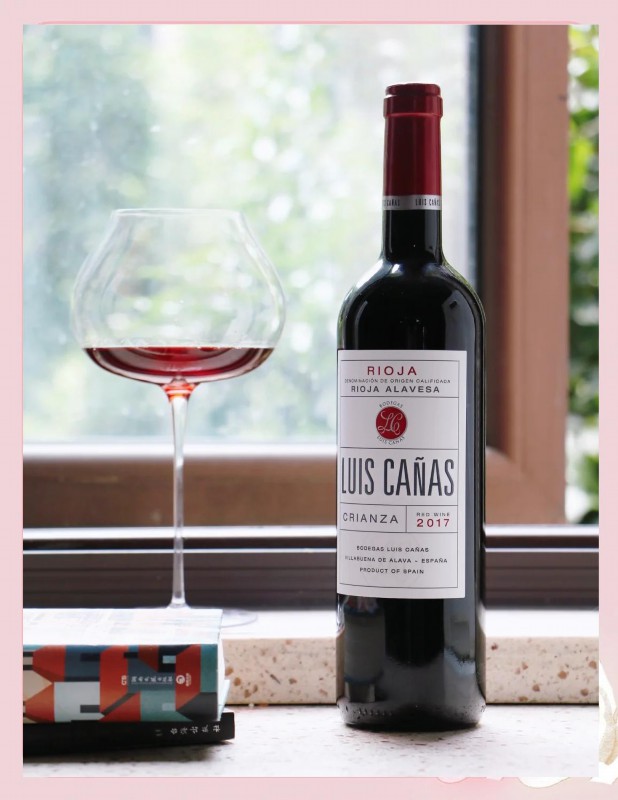
Major Regions and Representative Wine Comparison
| Region | Representative Wine | Price Range | Collection Value |
|---|
| Rioja | Marqués de Riscal 1860 | 45-80 | Very High |
| Ribera del Duero | Vega Sicilia Único 1968 | 300-500 | Extremely High |
| Priorat | Alvaro Palacios L’Ermita 2009 | 400-600 | Extremely High |
| Toro | Numanthia 2004 | 60-100 | Relatively High |
It’s important to note that authenticity verification of numbered wines is crucial. I recommend purchasing from reputable wine merchants and carefully examining the printing quality and anti-counterfeiting marks on labels. I once encountered a fake Vega Sicilia at a small wine shop in Madrid and nearly fell for it.
Collection Advice and Investment Insights
From an investment perspective, the appreciation space appreciation potential of Spanish numbered wines is quite considerable. A Marqués de Riscal 1860 I purchased five years ago for 80 euros now has a market price of 120 euros. I suggest beginners start with Rioja region wines, which are relatively affordable and offer guaranteed quality. For storage, maintain temperatures between 12-16 degrees and humidity around 70%.
Finally, I want to emphasize that collecting numbered wines isn’t just about investment—it’s about cultural heritage. Each bottle carries the history and craftsmanship spirit of Spanish wineries. If you’re interested in this topic and want to learn more about Spanish wine number lookup, please feel free to discuss in the comments. I can share more specific purchasing channels and tasting experiences about Spanish wine numbers.
