Recently, I tasted an impressive forest berry red wine at a winery in Madrid, and the complex aroma of wild berries remains unforgettable to this day. As a wine enthusiast who has lived in Spain for many years, I’d like to share some insights about this unique type of red wine.
What is Forest Berry Red Wine
Spanish forest berry red wines typically refer to those with distinct wild berry flavors, mainly produced in northern regions like Galicia and Asturias. The characteristic of these wines lies in their natural acidity and rich fruit aromas, as if the essence of an entire forest has been concentrated into a wine glass. Local winemakers skillfully utilize the mountain microclimates and unique soil conditions to cultivate grape varieties with distinctive flavors.
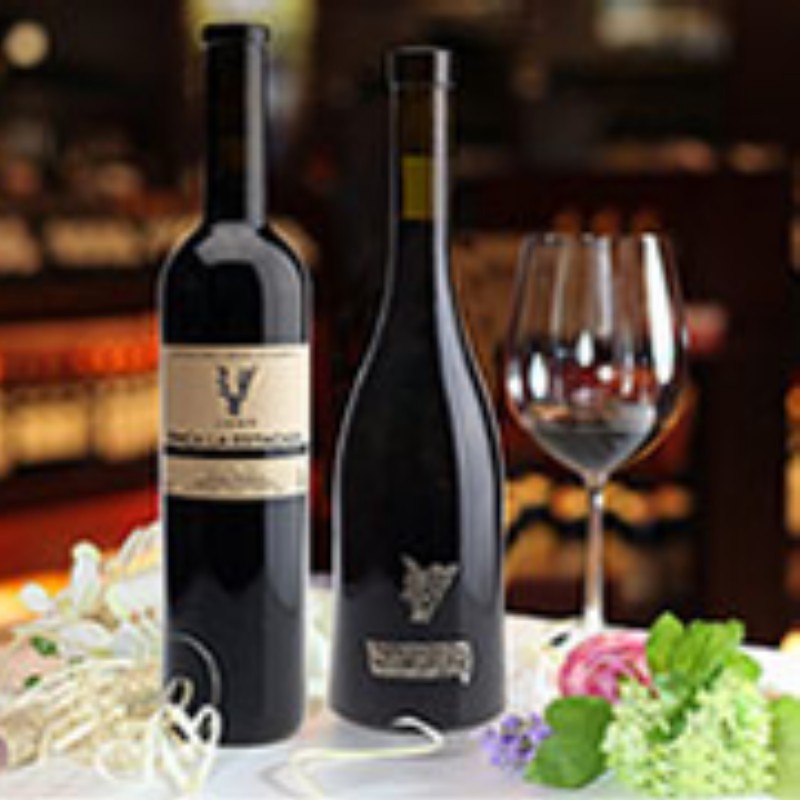
Main Regions and Characteristics
Forest berry red wines from different regions each have their own characteristics. I’ve created a simple comparison table:
| Region | Main Variety | Flavor Profile | Optimal Serving Temperature |
|---|
| Galicia | Mencía | Cherry, blackberry | 16-18°C |
| Asturias | Albarín Negro | Blueberry, violet | 15-17°C |
| Cantabria | Mixed varieties | Wild strawberry, spice | 17-19°C |
The common feature of these regions is their high altitude and large temperature differences between day and night, which are ideal for developing the grapes’ natural acidity and complex aromatic compounds. Particularly grapes harvested in autumn often yield more intense forest fruit aromas.
Tasting Techniques and Pairing Suggestions
When tasting forest berry red wines, I recommend letting the wine breathe at room temperature for 30 minutes. First, observe the wine’s color - quality forest berry red wines typically display a deep ruby color with purple edges. When swirling the glass, you can detect distinct wild berry aromas, sometimes with a hint of earthy notes, which is precisely what makes Forest Path Red Wine so charmingly wild.
Regarding food pairings, forest berry red wines pair excellently with roasted lamb, game meats, or aged cheeses. Personally, I love pairing them with traditional Spanish roasted suckling pig, as the wine’s fruit acidity beautifully balances the richness of the meat.
Another fascinating aspect of these red wines is their aging potential. Quality forest berry red wines can age for 5-8 years, and over time, the fruit aromas gradually evolve into more complex spice and leather notes, revealing completely different charms. If you’re also interested in this unique type of Spanish red wine, consider visiting local wineries to experience them firsthand - I believe you’ll have unexpected discoveries, much like exploring Tempranillo legends and their rich world.
