Children’s Spanish Training and Learning Tips
As more and more families settle in Spain, children’s Spanish training has become a central focus for many parents. Mastering effective methods not only helps children adapt faster at school but also boosts their confidence in daily communication.
Language Immersion in the Home Environment
Using Spanish at home for daily communication is the first step in improving language awareness. For example, describe current activities in Spanish or tell your child short stories—these will help them naturally accumulate vocabulary and sentence structures. The impact of practicing every day will be very noticeable.
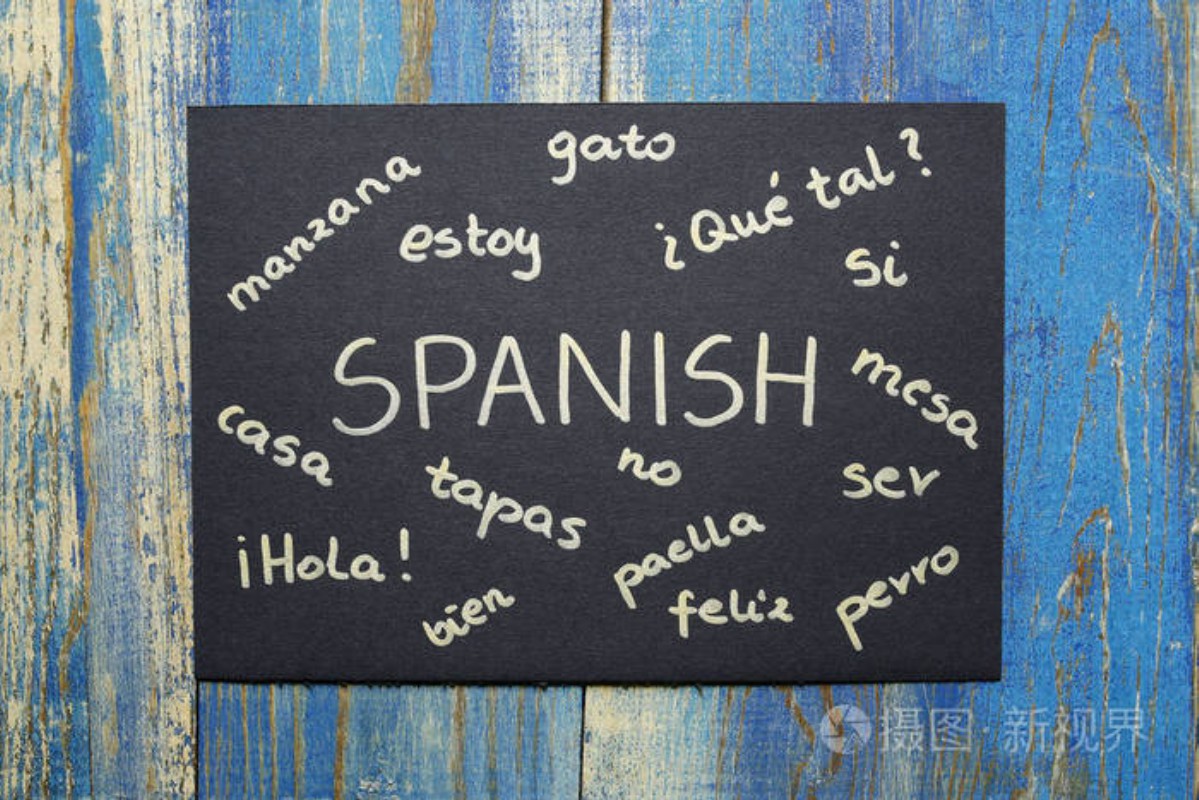
Choosing Suitable Learning Resources
In addition to Children’s Spanish Textbooks provided by schools, parents can also choose interesting supplementary materials for their children. Here are some common methods:
| Learning Method | Advantages |
|---|
| Children’s picture books | Fun, vivid, easy to understand |
| Children’s songs | Aid in memorizing words and sentences |
| Interactive apps | Game-based learning to maintain interest |
Note: When choosing materials, it’s best to balance listening, speaking, reading, and writing skills without favoring only one aspect.
Participate in Local Community Activities
Local children’s reading clubs, music classes, and sports activities are all great opportunities to practice Spanish. Through interaction with peers, children find it easier to express themselves in Spanish. Outdoor activities, in particular, combine language with physical movement, reducing the psychological pressure of expression.
Create a Learning Plan
A systematic plan can help children progress steadily. It is recommended to dedicate a few fixed days each week to intensive language training, combining listening and speaking practice each time. Parents can regularly check the child’s vocabulary and sentence mastery, adjusting methods in a timely manner.
Maintain Patience and Encouragement
Language learning is a long-term process, especially for children, requiring patience and encouragement. Parents should [ color=green ]offer affirmation, and through small rewards linked to the Spanish Alphabet keep the child motivated to learn. Watching them use Spanish more naturally in both class and daily life will be a great sense of achievement.
For families living in Spain, if Children’s Introductory Spanish learning paths are planned reasonably, not only will the child’s language skills improve rapidly, but they will also integrate more smoothly into local culture and society.
