Why Children’s Spanish Textbooks Matter
For families living in Spain, if children can be exposed to and learn Spanish from an early age, they can adapt to the local environment more quickly and build a solid foundation for future studies and social interactions. A good children’s Spanish textbook can make the learning process more interesting and systematic, allowing kids to acquire the language in a relaxed atmosphere.
Key Factors in Textbook Selection
For Children’s Spanish Training, choosing a textbook is not only about content, but also whether the accompanying audio, illustrations, and Spanish Alphabet are graded according to age. Compared to adult materials, children’s versions should focus more on picture books, interactive stories, and game-based practice to capture their attention.
| Age group | Recommended textbook type |
|---|
| 3-6 years | Picture books with audio, simple songs |
| 7-10 years | Graded readers, basic grammar picture books |
| 11-14 years | Textbook + workbook + listening materials |
Common Types of Textbooks
- Picture book type: Through Children’s Beginner Spanish with colorful illustrations and short sentences, children naturally acquire vocabulary while enjoying the visuals.
- Songs and fairy tales: Use music and stories to aid memory.
- Graded readers: Gradually increase vocabulary and sentence patterns based on difficulty.
- Multimedia courses: Combine apps and online interactive exercises to make learning more fun.
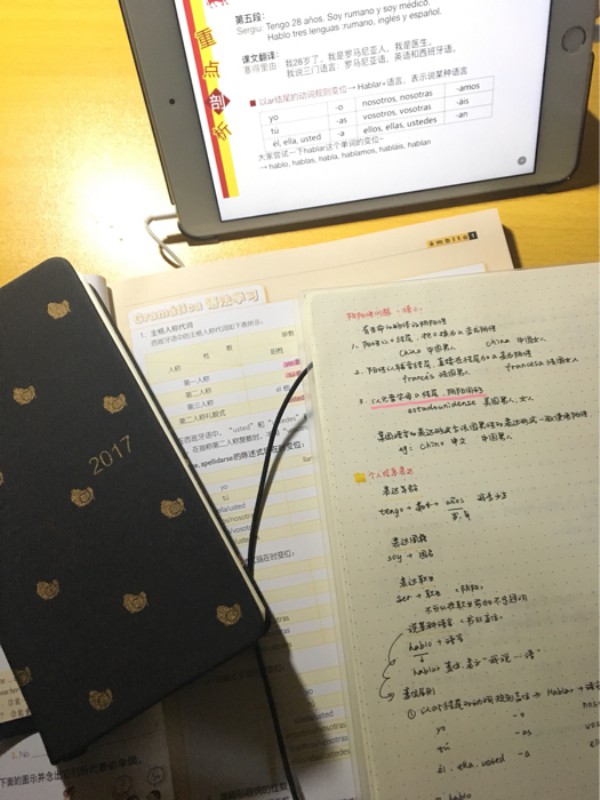
Study Tips
- Set a fixed study time each day, such as ten minutes after breakfast or half an hour before bed.
- Use Spanish children’s songs to give language learning a musical feel.
- Parents can take turns reading a story with their child to increase interaction.
- Try using simple Spanish dialogues as part of everyday family communication.
My Personal Recommendations
From my own experience, picture books with audio work best for children aged 3-6, as they actively imitate the speech from the books. For ages 7-10, you can introduce some basic grammar content, such as simple verb conjugations. For those over 11 years old, learning alongside school courses helps them not only perform better in class but also use Spanish more confidently in daily life.
In summary, when choosing children’s Spanish textbooks, consider the child’s interests, age, and current language ability, and integrate various resources into teaching. This way, you can keep the learning fun while steadily improving their language skills.
