Introduction to the Basics of the Spanish Alphabet
For families living in Spain, if young children at home attend Children’s Spanish Language Training, early exposure and mastery of the Spanish alphabet will lay a solid foundation for their language development. The Spanish alphabet consists of 27 letters, including the basic Latin letters and the unique ñ.
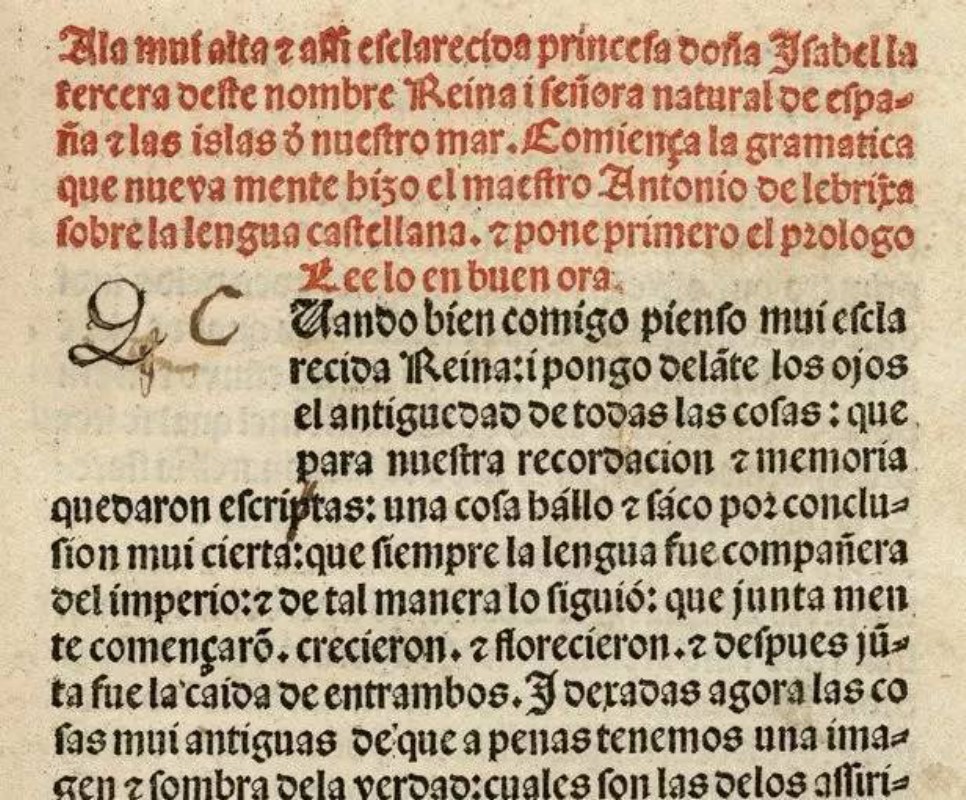
Overview of the Alphabet and Pronunciation
Below is a reference for common letters and their pronunciations:
| Letter | Pronunciation |
|---|
| A | a |
| B | be |
| C | ce |
| Ñ | eñe |
| Z | zeta |
To remember pronunciations, you can use rhymes or songs to help children connect sounds with shapes, making the learning process more enjoyable.
Learning Methods and Tips
1. Use Images: Incorporate vivid pictures linking letters to everyday objects, such as A with an apple, B with a boat. These associations can aid memory.
2. Gamified Learning: Use alphabet puzzles or card games so that children engage with letters during play.
3. Short Daily Practice: Instead of long study sessions, spend 10 minutes each day focusing on 2-3 letters for better results.
Common Learning Mistakes
Many parents overemphasize letter order, and Children’s Spanish Textbooks lead children to memorize mechanically while ignoring actual pronunciation. The correct approach is to train listening and speaking simultaneously, and Children’s Beginner Spanish helps them understand the role and changes of letters within words.
Also, do not overlook the practice of letter combinations, such as “ch” and “ll” which traditionally had separate positions, though in the modern Spanish alphabet they are considered two distinct letters.
The Parent’s Supporting Role
During their children’s alphabet learning process, parents should act as encouragers rather than supervisors. Sing alphabet songs together, and use books and picture books to expand their vocabulary base. In community or school activities, give children opportunities to showcase what they have learned, which is also an effective way to boost their confidence.
