Spanish Architectural Names and Historical Background
Living in Spain for a while, you will notice a wide variety of buildings along the streets, each style carrying its own unique story and name. Understanding symbolic Spanish architecture not only makes communication easier but also helps you quickly find your favorite places during travel or relocation.
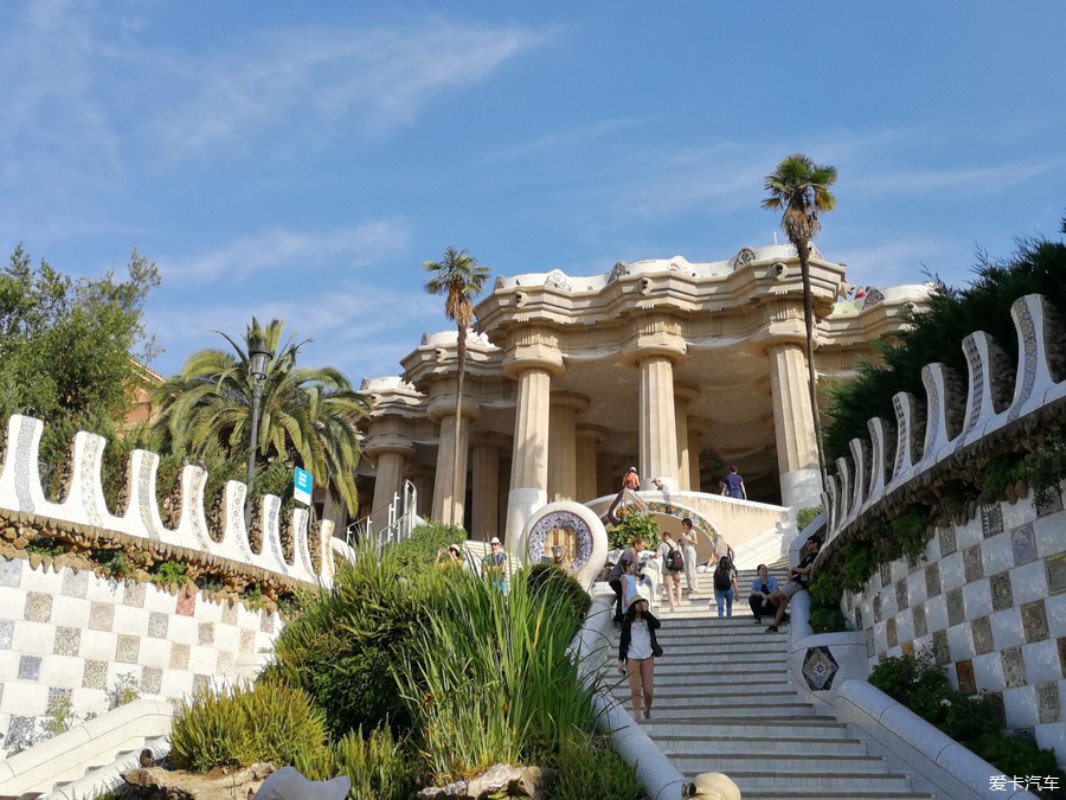
Common Spanish Architectural Style Names
Andalusian Style
This style originates from Muslim architectural traditions on the Iberian Peninsula, featuring white walls, arched windows, and intricate tiles. Many southern cities such as Seville and Granada have classic examples.
Gaudi and Catalan Modernism
Founded by Antoni Gaudí, this style emphasizes curves, natural elements, and vibrant color variations. Barcelona’s Casa Milà and Casa Batlló are both representative works.
Mediterranean Style
Main features include red tiled roofs, large terraces, and open courtyards, ideal for warm coastal regions.
Architectural Styles and Characteristics Comparison Table
| Style Name | Main Characteristics |
|---|
| Andalusí | White walls, arched windows, tilework decoration |
| Modernisme Català | Curves, natural shapes, stained glass |
| Mediterráneo | Red tile roof, large terraces, courtyards |
Tips for Recognizing Styles in Daily Life
1. Observe wall colors: White walls are often closely linked to Andalusian style.
2. Look for arches and patterns: Complex tile work and arched windows hint at Muslim period influences.
3. Check roofs and balconies: Red tiles and spacious balconies frequently appear in Mediterranean style buildings.
Tip: Architectural details are easier to spot at dusk, so consider taking a walk in the evening.
Why Learn These Names
Understanding Spanish architectural style names can make your conversations with locals more professional, and help you be more precise when buying, renting, or visiting properties. For example, when searching for real estate in Barcelona, if Spanish buildings with long names indicate you prefer the “Modernisme” style, real estate agents will immediately know you are aiming for artistic and historic charm.
In summary, architectural names carry regional and cultural information. Learning about Spanish architectural names is like mastering another language, allowing you to better appreciate the aesthetics of Spanish streets.
