Names and Stories of Spain’s Iconic Buildings
When speaking of Spain, one cannot ignore those buildings that have long become symbols of their cities. They are not only popular tourist attractions, but as seen in Spain’s long-named buildings, they are also part of local life, each name deeply rooted in history and culture.
Sagrada Familia
The Sagrada Familia, located in Barcelona and designed by the famous architect Antoni Gaudí, is still unfinished, yet it continues to draw countless visitors. Its façades are intricately detailed, blending Gothic and naturalistic styles. Whether under sunshine or rain, it emits a unique glow.
Alhambra
Situated in Granada, the Alhambra is a pinnacle of Moorish art. Its exquisite Arabic carvings and unique courtyard designs transport you to the medieval Islamic world. At night, the lights reflecting in the pools create a dreamlike scene.
La Pedrera
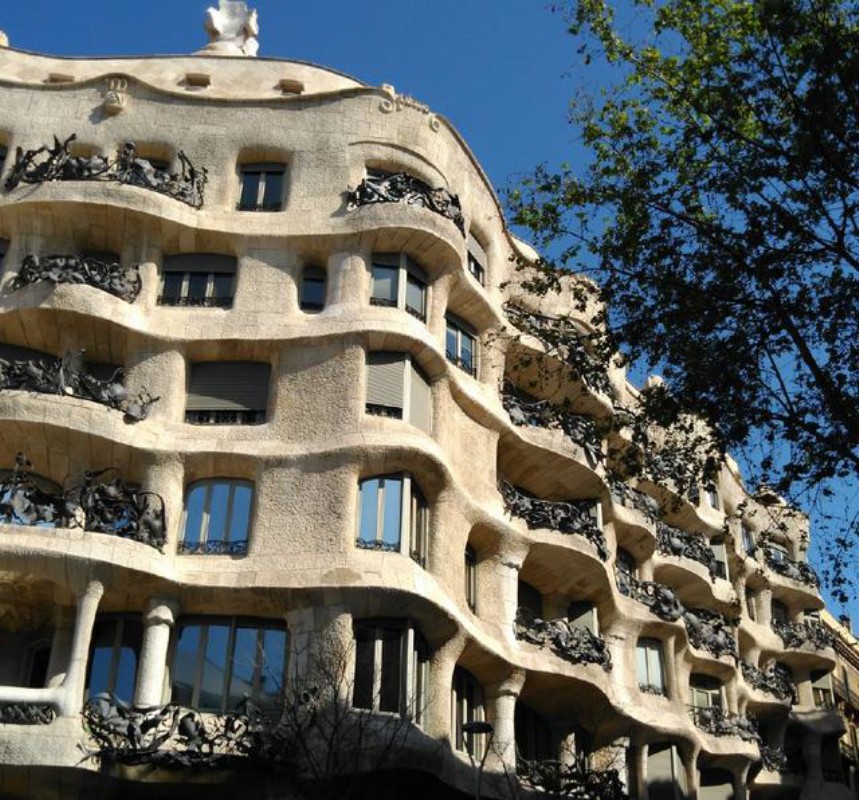
Another star in Barcelona—La Pedrera—is famous for its distinctive wave-shaped façade and rooftop sculptures. This building, also known as “The Quarry,” as explored in Spain’s building names, impresses visitors with Gaudí’s boundless imagination in both appearance and spatial use. Walking inside feels like entering an artistic labyrinth.
Royal Palace of Madrid
The Royal Palace of Spain is one of the largest royal palaces in Europe, lavishly decorated and housing an extensive art collection. Today, parts are open to the public, making Spain’s architecture a window into royal life.
| Building Name | City |
|---|
| Sagrada Familia | Barcelona |
| Alhambra | Granada |
| La Pedrera | Barcelona |
| Royal Palace of Madrid | Madrid |
Conclusion: Continuity of Culture
These iconic buildings not only belong to the past but also breathe in the rhythm of contemporary life. Whether you are a long-term resident of Spain or a short-term traveler, try stepping inside them, sitting down to feel the story in every stone and tile—you may come to understand the soul of this land more deeply.
