Fun Facts About Spanish Buildings with Exceptionally Long Names
When traveling in Spain, you will encounter a wide variety of architectural styles, and some buildings have names so long that they are hard to remember on first hearing. These lengthy names often hold rich historical and religious backgrounds, and sometimes mix elements from local languages. Such buildings regularly draw language enthusiasts and cultural explorers to visit.
Why Are the Names So Long?
Many full names of Spain’s old buildings originate from complete religious titles or noble honors, often including location, order name, and commemorated historical events. For example, some church names include multiple saints’ names along with descriptive details of the location, such as those found in the Spanish iconic buildings, making the official name stretch to dozens of characters. For those documenting history, this reflects the detail and respect of Spanish architecture names.
Famous Example
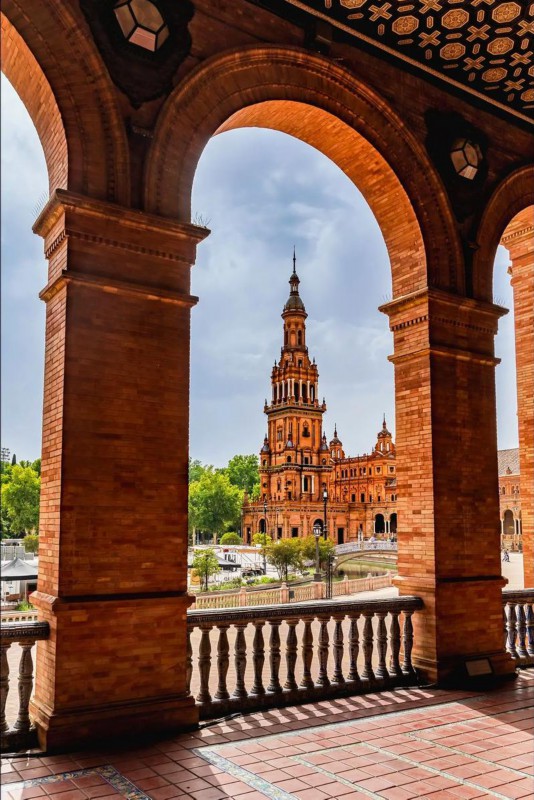
One of the most impressive cases among Spanish architecture is Seville’s “Santa María la Real de las Huertas de la Encarnación del Sagrado Corazón.” This name reads like a piece of narrative, encompassing several titles of the Virgin Mary and religious symbols. Stepping inside, you can feel the origin of each word in the name.
Comparing with Short-Named Buildings
| Name Length | Building Example |
|---|
| Short | Alhambra Palace |
| Extra long | Santa María la Real de las Huertas de la Encarnación del Sagrado Corazón |
By comparison, short-named buildings are easier to remember and share, whereas long-named buildings require more patience to understand their cultural depth.
Tourism and Cultural Experience
For travelers, a long-named building is not just a sightseeing spot; it’s like a cultural text to be decoded slowly. Learning about the origin of a name before visiting makes the tour more engaging. For instance, trying to pronounce the full name with a local accent not only practices the language but also sparks interest and conversation with locals.
Conclusion and Discussion
Spain’s long-named buildings are carriers of cultural heritage and products of the intersection between language and history. Next time you see a sign full of words on the street, consider stopping, reading, and looking up its background, then share your discovery in a forum. This way of sharing allows us to find more resonance during travel and keeps these long-named buildings alive in our memories.
