Overview of Spanish School Architecture
After living in Spain for a while, I gradually discovered that the Spanish Architecture Design Schools here have a very distinctive style, quite different from the campuses I had seen in other countries. Many community primary and secondary schools are not only places for learning but also an important part of community life. This open design concept has made me grow especially fond of the Balearic School Architecture in this area.
Use of Materials and Colors
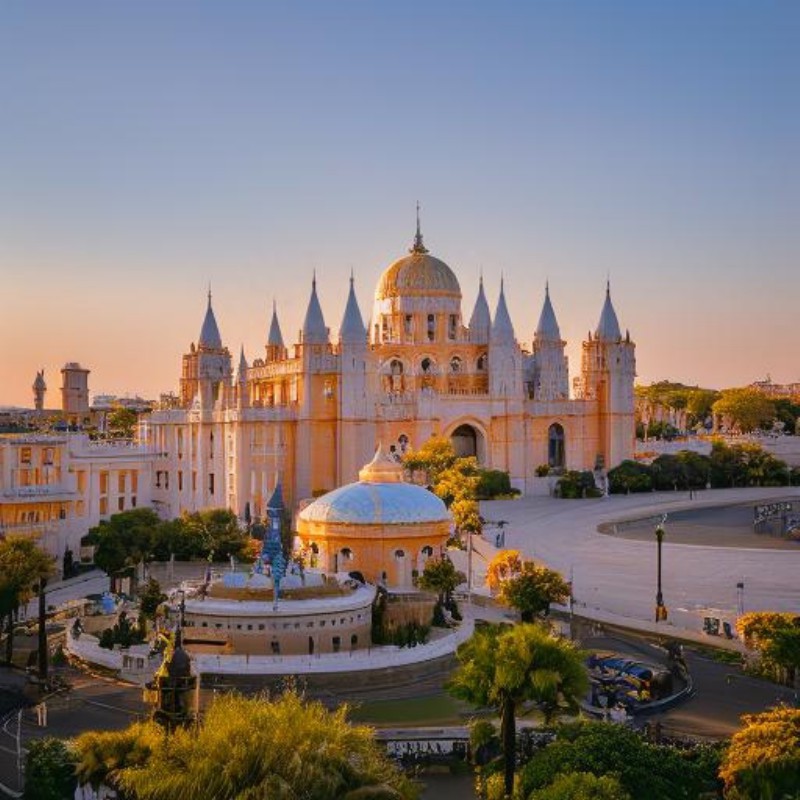
Spanish school buildings often feature warm-colored facades, such as light yellow or ochre, which look harmonious against the blue sky. Many schools choose to combine traditional stone, brickwork, or modern concrete, offering both historical character and practicality. Walking into the campus, you’ll see many walls decorated with murals by local artists, reflecting cultural diversity and regional character. These artistic details subtly expose students to aesthetics.
Spatial Layout
In terms of planning, Spanish schools pay great attention to sunlight and ventilation. The courtyard design is a common element, with classrooms surrounding it and a playground or rest area in the middle. The table below briefly lists common layouts and functions:
| Layout Type | Function Description |
|---|
| Open courtyard | Provides outdoor activity space |
| Zoned teaching buildings | Facilitates quiet study and subject management |
This layout not only makes it easier for teachers to manage but also creates more room for student interaction during breaks, as seen in the Ranking of Spanish Architecture Schools.
Environmental Protection and Sustainability
In recent years, Spanish school architecture has increasingly considered energy efficiency and environmental protection. Features like rooftop solar panels, rainwater harvesting systems, and natural lighting windows are very common. At a nearby public primary school, they even use the campus garden to grow their own herbs, which beautifies the surroundings and provides students with practical life skills classes.
Integration with the Community
Many Spanish schools open part of their facilities to the community outside regular class hours, such as gymnasiums, auditoriums, and even libraries. This open policy turns the campus into a community hub. Watching a community theater performance on campus over the weekend feels both warm and safe, and makes it easier for parents to engage in their children’s school life.
Overall, Spanish school architecture not only meets educational needs but also emphasizes integration with the environment, culture, and community—an approach worth learning from in many other places.
