Overview of Spanish School Architecture
Many people who come to live in Spain are fascinated by the school buildings here. Whether it is a public high school with a long history or a newly built modern primary school, their architectural language reflects the country’s unique understanding of education and space. Across Spain, from Madrid to Barcelona, the appearance of schools varies noticeably between regions.
Blending of History and Tradition
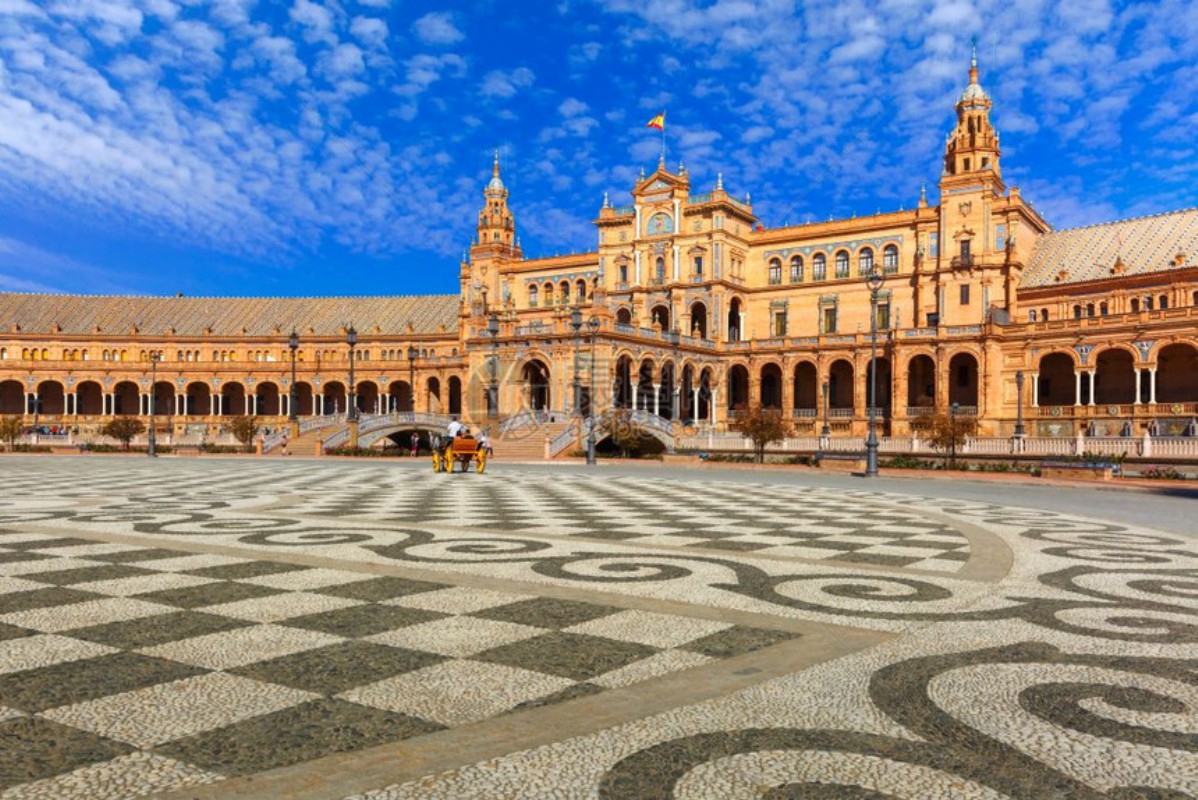
Some schools founded in the late 19th or early 20th centuries retain European classical-style porticoes, arched windows, and red-brick facades. This design is not only aesthetically pleasing but also demonstrates a pursuit of durability and solemnity at the time. Walking through the campus, you pass under arched corridors and see stone-carved emblems, an atmosphere that easily immerses you in the ritual of learning.
For example, some public high schools in Seville feature Moorish-style decorations on their outer walls, resonating with the local Alcázar palace.
Function-First Modern Campuses
Newly constructed schools often adopt glass curtain walls, open courtyards, and multi-functional classrooms, aligning with the EU’s environmental and sustainability principles promoted by the Spanish Architecture Design Schools. Large areas of natural lighting reduce energy consumption, while open layouts provide students with more opportunities for interaction, such as in the Balearic School Architecture. Bright and transparent have become keywords for many modern campuses.
| Construction Era | Main Features |
|---|
| Late 19th - Early 20th Century | Classical facades, arcades, red brick |
| After 21st Century | Glass curtain walls, open spaces, eco-friendly design |
Regional Characteristics
In the wetter northern regions, schools often use moisture-resistant materials and enclosed corridors to avoid rain. In the south, shading and ventilation are emphasized, with inner courtyards and water features being common. Architectural differences between Catalonia and Andalusia also lead local parents to consider their children’s adaptability to the environment when choosing schools.
Living Experience and Community Connection
Many Spanish schools serve not only as places of learning but also as community activity centers. On weekends, sports fields and auditoriums are often freely open to residents, a sense of integration that many immigrants find heartwarming. This is almost never seen in Chinese-style campuses, but here the Spanish Architecture School Rankings make it feel natural.
Conclusion
Spanish school architecture is more than just educational hardware—it incorporates historical, cultural, climatic, and lifestyle considerations. Whether you are a parent, a student, or simply an architecture enthusiast, you can find reasons to linger in these campuses.
