The Cross-Time Connection between the Ming Dynasty and Spanish Architecture
When studying world architectural history, one often discovers intriguing cross-cultural connections. Although the Ming Dynasty and Spain were geographically far apart, the changes in European architectural styles during this era had a potential impact on global cultural exchange. Spain, in the Ming Dynasty period, was undergoing an important transition from Gothic to Renaissance, a shift that was reflected not only in architectural aesthetics but also in how political and religious forces shaped urban landscapes.
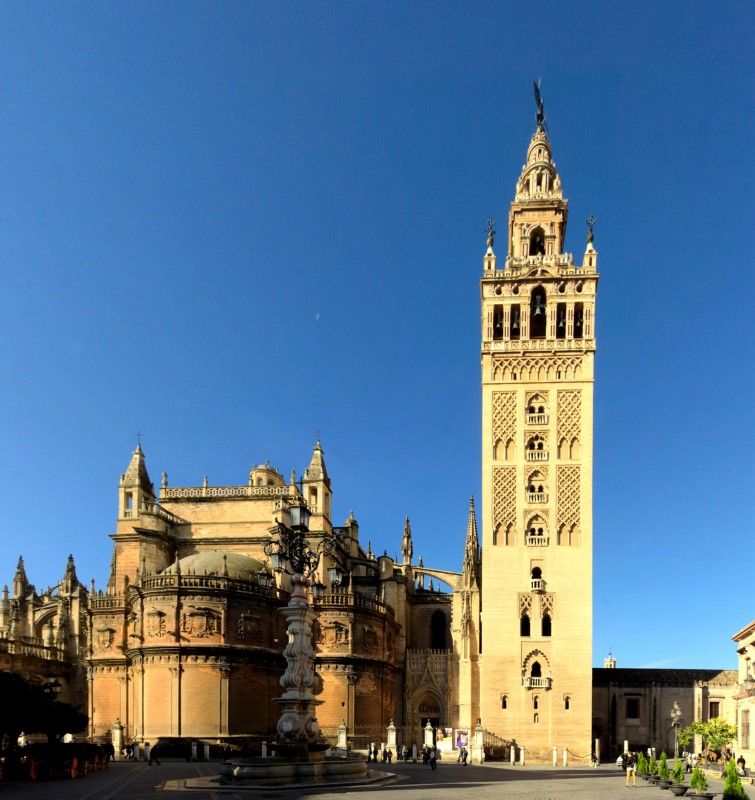
The Continuation and Peak of Gothic Architecture
In early Ming times, Gothic style still dominated Spain’s major cathedrals and civic buildings. Towering spires, stained glass, and intricate stone carvings created a solemn religious atmosphere. Notably, Spanish Gothic in the southern regions was influenced by Moorish art, blending tower decorations and geometric patterns to give the architecture a strong local character. This hybrid style, has significant research value in architectural history.
The Arrival of the Renaissance
With the increase of maritime trade and cultural exchange, Italian Renaissance ideas gradually reached Spain. By the mid-Ming period, architects began incorporating classical columns, symmetrical layouts, and open courtyards into palaces and civic buildings. This design pursued proportion and harmony in aesthetics, differing from the vertical emphasis of Gothic. Especially in important cities such as Toledo and Madrid, the Renaissance style merged with local tradition, giving rise to the distinctive “Plateresque” style.
| Style | Features |
|---|
| Gothic | Spires, high arches, stained glass |
| Renaissance | Symmetrical layout, columns, courtyards |
The Social Background Behind the Architecture
During the years corresponding to the Ming Dynasty, Spain experienced religious reform and colonial expansion, which also influenced its architecture. Royal and religious institutions invested their wealth in grand projects; public buildings served not only functional purposes but also stood as symbols of power and glory. This practice of using architecture to showcase status has allowed many cities to preserve large historical architectural complexes to this day, offering future generations a rich cultural heritage for a Master’s in Spanish Architectural History.
From History to Modern Times
Today, Spanish cities retain architectural heritage from the Ming era while incorporating modern design. For those interested in Spanish Architectural History and living in Spain, strolling through these old districts offers not only an appreciation of aesthetic changes but also insight into the profound influence of history on contemporary life. This experience is irreplaceable and is an important way for us to understand the convergence of diverse cultures.
Conclusion and Discussion
The history of Spanish architecture during the Ming Dynasty is a journey worth exploring deeply. It is not only about bricks and stone carvings but also reflects the interaction of cultures across regions. If you have the chance to visit Spain’s historical buildings, pay attention to those details—from spires to courtyards, each has a story. Feel free to share your observations and opinions on the forum to enrich our understanding of this chapter in history.
